
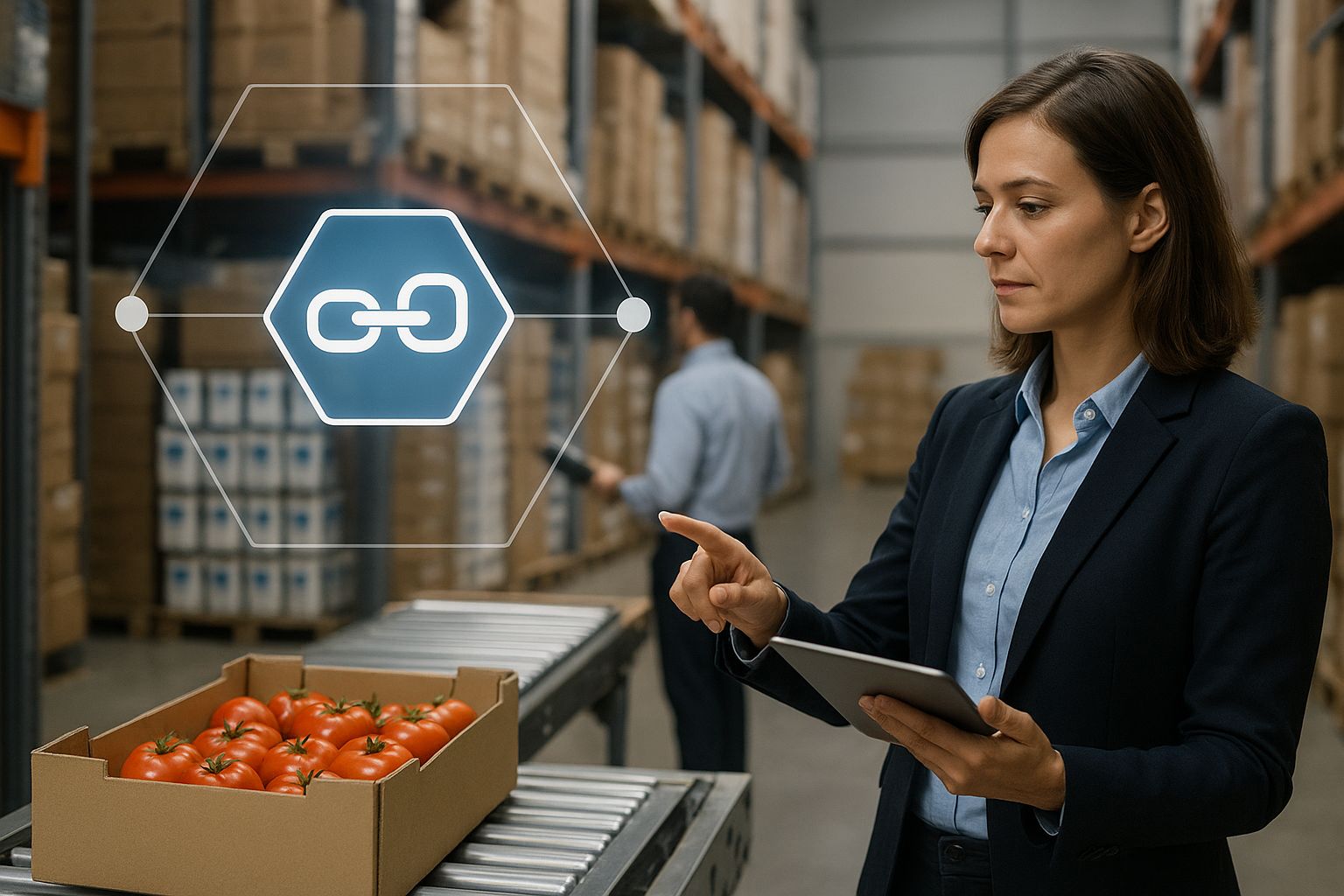
Blockchain technology is steadily making waves in the supply chain sector, promising increased transparency, enhanced security, and streamlined operations. As companies globally are seeking more efficient ways to manage complex supply chains, blockchain is emerging as a game-changer.
A prominent use case of blockchain in supply chains is its ability to provide immutable and transparent record-keeping. This feature is particularly appealing to industries such as food and pharmaceuticals, where provenance and traceability are crucial. By recording transactions on a decentralized ledger, businesses can significantly reduce the risk of fraud, tampering, and inefficiencies.
One leading example is Walmart’s collaboration with IBM Food Trust, a blockchain initiative to enhance food safety. Using blockchain technology, Walmart can trace the origin of food products within seconds, a process that previously took days. This improved traceability helps in rapid identification of contamination sources, minimizing food safety hazards and protecting consumer trust.
Additionally, blockchain is facilitating smarter contract management. Traditional contracts, often reliant on intermediaries for enforcement, can be cumbersome and costly. Blockchain-based smart contracts automatically execute terms and conditions when certain pre-defined conditions are met, thereby reducing dependency on intermediaries and minimizing bottlenecks in logistic processes.
The shipping giant Maersk has also embraced this technology through its partnership with IBM to develop the TradeLens platform. This blockchain-powered solution enhances visibility and coordination among supply chain partners, while also reducing paperwork and administrative processes. By increasing operational transparency and collaboration, TradeLens exemplifies blockchain’s potential to reshape global logistics.
Despite the promising potential, adoption hurdles such as scalability, standardization, and regulatory concerns remain. Nonetheless, industry leaders are optimistic as collaborations and pilot programs continue to snowball, paving the way for widespread acceptance.
Furthermore, regulatory bodies are gradually recognizing the benefits of blockchain in achieving sustainable and resilient supply chains. As supply chains grow more intricate, the need for real-time, immutable data becomes crucial, making blockchain an indispensable tool for future-proofing logistics and supply chain operations.
Companies eager to harness the advantages of blockchain should focus on investing in the infrastructure needed for integration, while keeping an eye on evolving regulatory frameworks to ensure compliance and secure their competitive advantage. As blockchain adoption matures, it has the potential to redefine the operational dynamics of supply chains worldwide.