
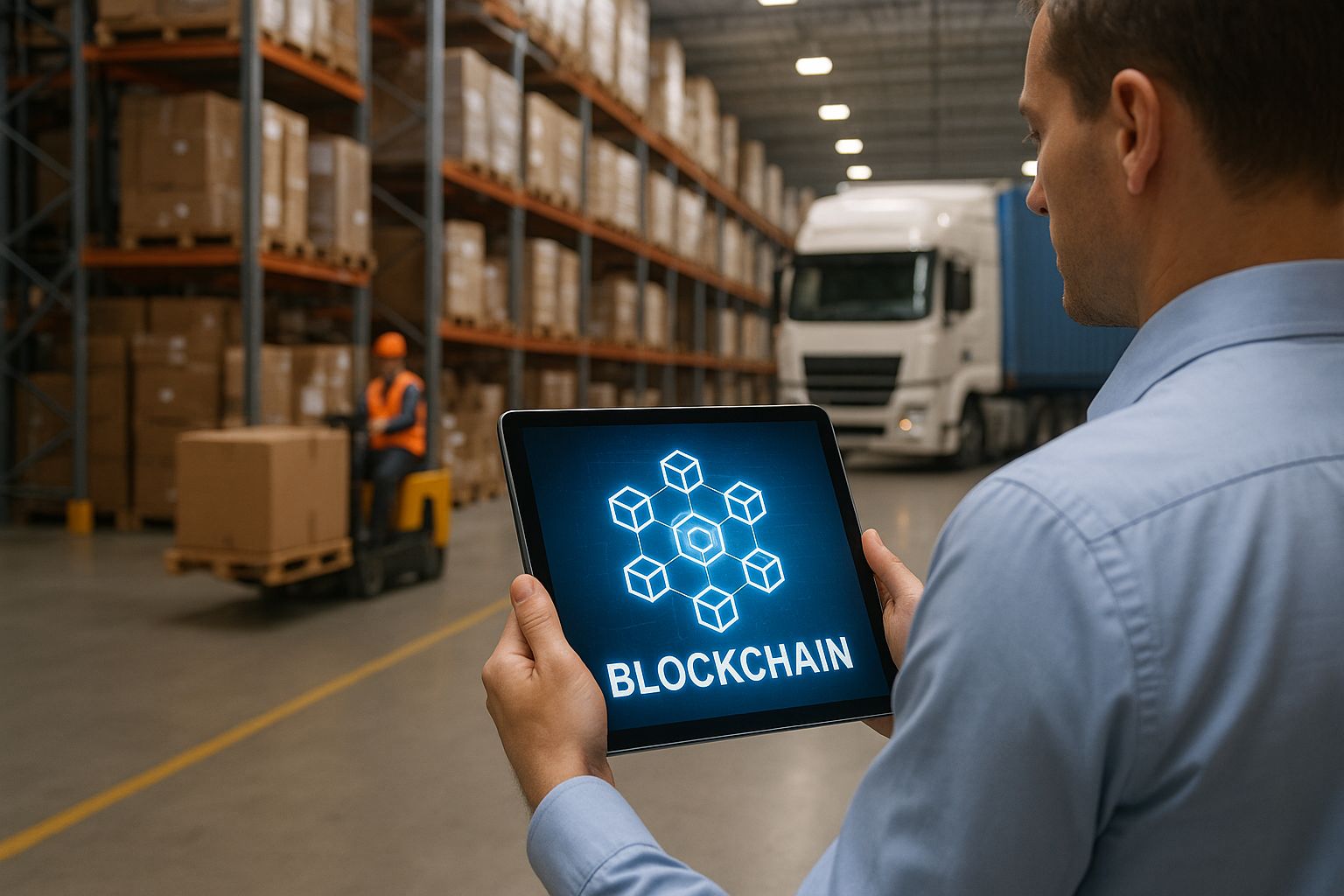
Blockchain technology is rapidly transforming the landscape of supply chain integration, bringing unprecedented efficiency and transparency to logistics operations. By providing a decentralized and immutable ledger system, blockchain addresses some of the most significant challenges in supply chain management, including data inaccuracies, delays, and fraud.
A recent case study involving a major global retailer demonstrated the impact of implementing blockchain in its supply chain. The company was able to reduce its order processing time from days to mere hours by using smart contracts and real-time data updates. This efficiency gain not only improved operational performance but also enhanced customer satisfaction due to faster delivery times.
Moreover, blockchain’s capacity to provide an unalterable record of transactions helps in tracing goods back to their origin, a critical factor in sectors like food safety and pharmaceutical supply chains. For instance, in the event of a product recall, companies leveraging blockchain can swiftly pinpoint the batch affected and withdraw it without disrupting the entire supply line.
Another trend gaining traction is the blockchain-based Internet of Things (IoT) solutions, which integrate sensor data into the blockchain for enhanced tracking of conditions such as temperature and humidity during transport. This integration ensures that compliance with regulatory standards is maintained throughout the logistics process, providing peace of mind to both suppliers and consumers.
However, the adoption of blockchain in supply chains is not without its challenges. Significant investments in technology and training are required to overhaul existing systems. Moreover, industry-wide collaboration is essential to set up common standards and protocols, which are currently fragmented. Despite these hurdles, companies investing in blockchain for supply chain integration are witnessing not just improved operational efficiency but also a competitive edge in an increasingly demanding market.
The convergence of blockchain technology and supply chain processes marks a pivotal shift towards more secure, transparent, and efficient logistics operations. As global supply chains continue to evolve, stakeholders must embrace these innovations to stay ahead in an increasingly competitive landscape.