

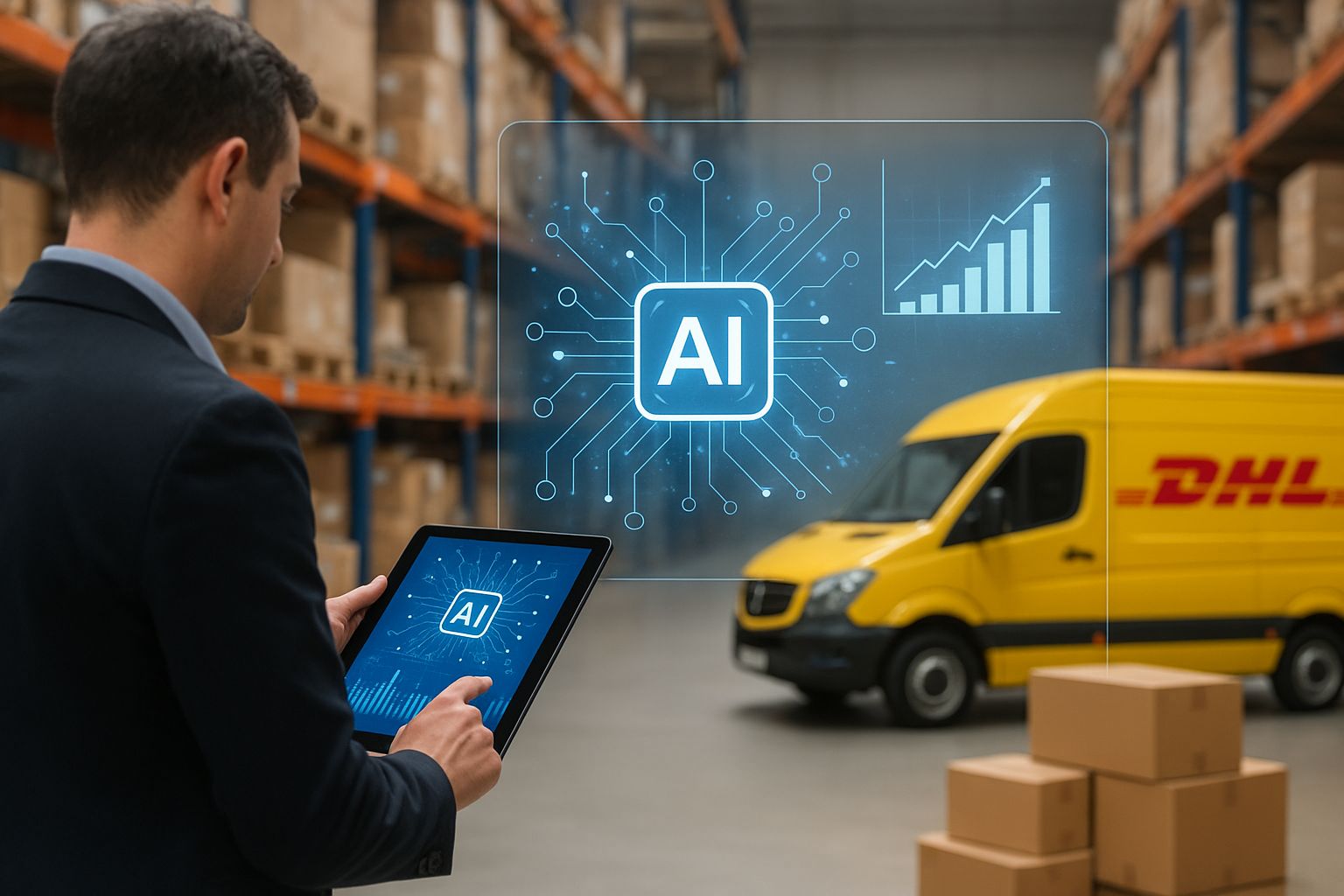
In recent years, artificial intelligence (AI) has become an integral part of supply chain management, offering cutting-edge solutions that enhance efficiency and accuracy. Industries spanning across manufacturing, retail, and logistics are tapping into AI’s potential to predict demand, optimize inventory, and streamline operations.
One significant trend is the use of predictive analytics to anticipate market demands and recognize potential disruptions. Companies like DHL and Amazon are leading the way with AI-driven systems that study patterns in consumer behavior, inventory levels, and external factors such as weather. By doing so, these companies can make informed decisions, reducing excess inventory and meeting customer demand swiftly.
Predictive analytics relies on vast amounts of data to make forecasts. Data sources include everything from historical sales figures to social media trends. AI algorithms analyze this data, identifying significant patterns and providing actionable insights. As a result, businesses can predict, months in advance, consumer desire for products, allowing them to adjust production and distribution plans accordingly.
Moreover, AI aids in risk mitigation. Consider the 2020 Suez Canal blockage, which disrupted global supply chains. Today, with enhanced AI tools, companies can foresee potential logistic hurdles, implementing contingencies that prevent significant operational disruptions. This capability translates into substantial cost savings and improved customer satisfaction.
AI-powered supply chain solutions also facilitate real-time monitoring and management. Predictive analytics platforms can provide instant feedback about shipment statuses, inventory levels, and potential delays. This transparency ensures that decision-makers always have a pulse on their operations, allowing for adjustments and strategic planning.
While the promise of AI in supply chains is immense, it requires significant data quality and infrastructure investment. For companies embarking on AI integration, the focus should be on building robust data acquisition and processing mechanisms. This foundation ensures that predictive analytics yield accurate and actionable results.
As the AI landscape evolves, the future of supply chains looks increasingly data-driven and efficient. Organizations adopting these technologies are not only setting themselves up for short-term efficiency gains but are also preparing for long-term resilience in the face of market volatility and change.