

In recent years, artificial intelligence (AI) has carved a pivotal role in redefining supply chain management. Organizations across industries are increasingly integrating AI capabilities to enhance operational efficiency from forecasting demand to optimizing distribution channels, marking a paradigmatic shift in how supply chains function.
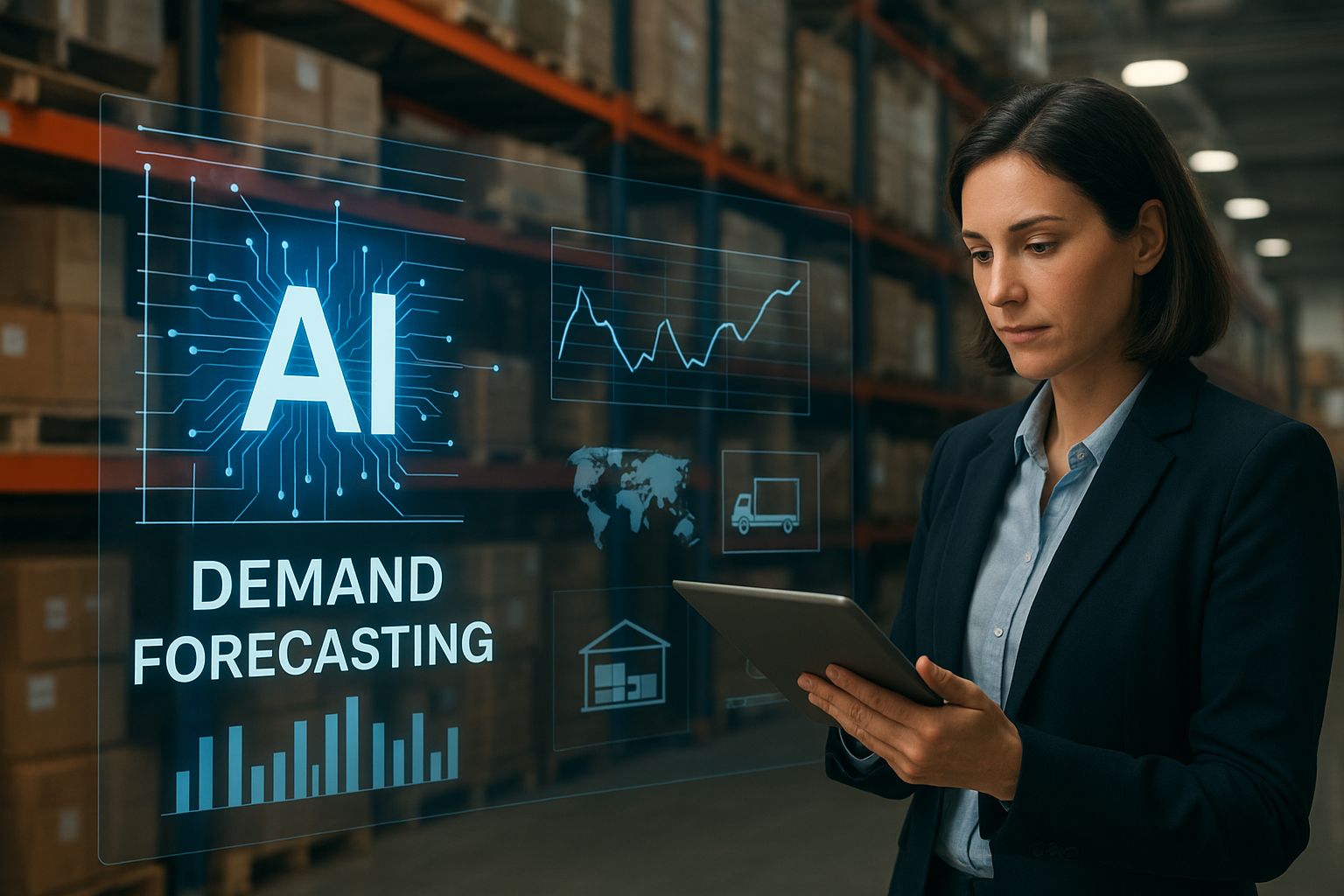
Among the leading innovations is AI-driven demand forecasting. Traditional statistical models often fall short due to their reliance on historical data and assumptions. AI, with its ability to analyze real-time data and recognize patterns, provides significantly more accurate forecasts, effectively helping companies reduce waste and improve service levels. A notable example is a multinational retail corporation using AI to anticipate consumer demand trends, thereby optimizing its inventory levels and reducing holding costs.
Moreover, distribution center automation represents another frontier where AI demonstrates immense potential. Through machine learning algorithms, warehouses are achieving unprecedented levels of speed and accuracy in processing orders. Autonomous guided vehicles (AGVs) and robotic arms powered by AI streamline tasks ranging from picking and packing to inventory management. Companies adopting AI-enhanced robotic solutions have notably observed a boost in productivity and a reduction in labor costs.
Transportation logistics is also undergoing a metamorphosis thanks to AI advancements. AI optimizes routes, resulting in reduced delivery times and lower fuel consumption. AI systems can dynamically reroute shipments in response to real-time traffic conditions, exemplifying significant benefits to companies’ bottom lines and environmental objectives. A leading logistics provider’s implementation of AI for route optimization has resulted in faster delivery times by an impressive 20%, showcasing AI’s transformative potential.
Furthermore, supply chain visibility continues to be an area of benefit. AI facilitates end-to-end transparency through real-time tracking of goods and predictive analysis, mitigating risks associated with supply chain disruptions. In an era marked by geopolitical tensions and pandemics, AI-driven predictive insights offer a strategic advantage, allowing for agile adjustments and maintaining continuity of operations.
Despite these advancements, integrating AI into existing supply chain systems is not without challenges. Technical hurdles include data integration complexities and ensuring the quality of input data. Organizations must navigate these challenges by investing in robust IT infrastructure and developing a comprehensive data management strategy to fully leverage AI’s capabilities.
The impending AI revolution in supply chain management signals a future where efficiency, accuracy, and resilience are significantly enhanced. Organizations that embrace and integrate AI-driven innovations can not only bolster their operational frameworks but also achieve a competitive edge in an increasingly complex and demanding global market.