
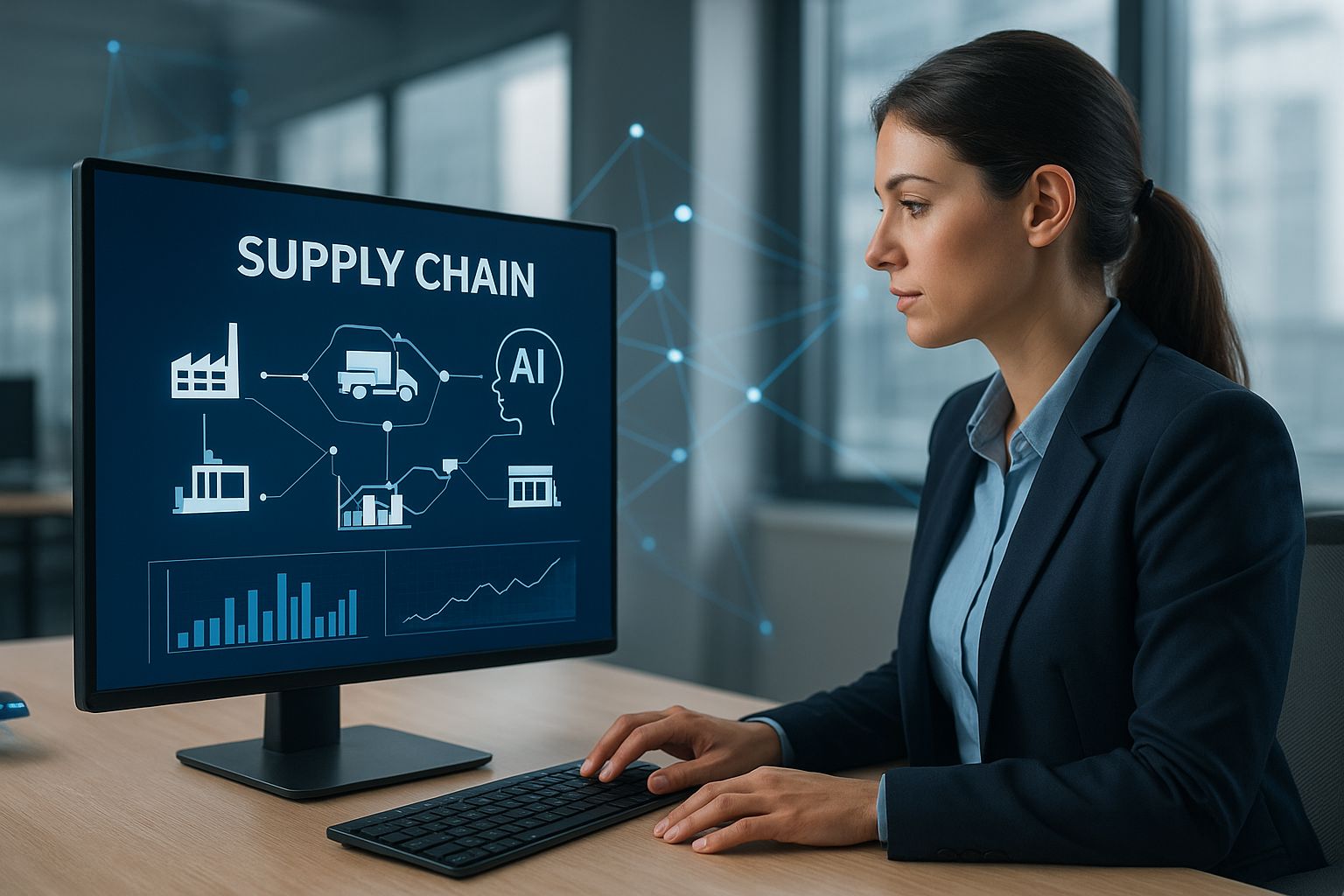
In today’s rapidly evolving business environment, the digital transformation of supply chains has become an existential imperative. Companies are increasingly looking to integrate advanced technologies to enhance their operational efficiencies and meet the ever-growing consumer demands. The post-pandemic era has accelerated this shift, with firms investing heavily in digital tools to futureproof their supply chains.
One of the more significant trends driving supply chain innovation is the adoption of artificial intelligence (AI) and machine learning. Companies are now leveraging these technologies to forecast demand more accurately, optimize inventory and manage supply chain risks proactively. A notable example is provided by retail giant Walmart, which has implemented AI-driven logistics platforms to streamline its supply chain, resulting in substantial cost savings and operational efficiencies.
Moreover, blockchain technology is witnessing a surge in adoption within supply chains. With its ability to enhance traceability and transparency, blockchain technology offers a compelling answer to the age-old challenge of counterfeiting and fraud. IBM and Maersk’s blockchain platform, TradeLens, is a pioneering example that facilitates secure and seamless information sharing across the supply chain, thereby eliminating inefficiencies and instilling trust among partners.
The Internet of Things (IoT) is another transformative tool that is reshaping supply chain operations. By utilizing IoT devices, companies can achieve real-time monitoring of assets, leading to improved decision-making capabilities. This technology enables a proactive approach to maintenance and resource allocation, as evidenced by DHL’s use of IoT sensors for temperature monitoring during the transport of sensitive pharmaceuticals.
Cloud-based solutions also play a pivotal role in the digital transformation of supply chains. They offer the scalability and flexibility necessary to adapt to changing market dynamics. These solutions enable seamless collaboration between stakeholders, ensuring data integrity and reducing the silos that often plague traditional supply chain systems.
However, the shift towards a fully digital supply chain is not without challenges. Data security, interoperability of systems, and change management remain significant hurdles for enterprises. Companies must also grapple with the complexities of overhauling legacy systems to align with modern digital infrastructures.
Nevertheless, the potential benefits—ranging from cost reductions, increased sustainability, and enhanced customer satisfaction—far outweigh these challenges. As organizations strive to build more resilient and agile supply chains, the continual advancement in digital solutions will undoubtedly pave the way for the supply chains of the future.
In conclusion, embracing digital transformation is no longer optional but essential for supply chain success. As technology continues to evolve, the ongoing integration of AI, blockchain, IoT, and cloud-based solutions will define the competitive edge of tomorrow’s leading companies.