
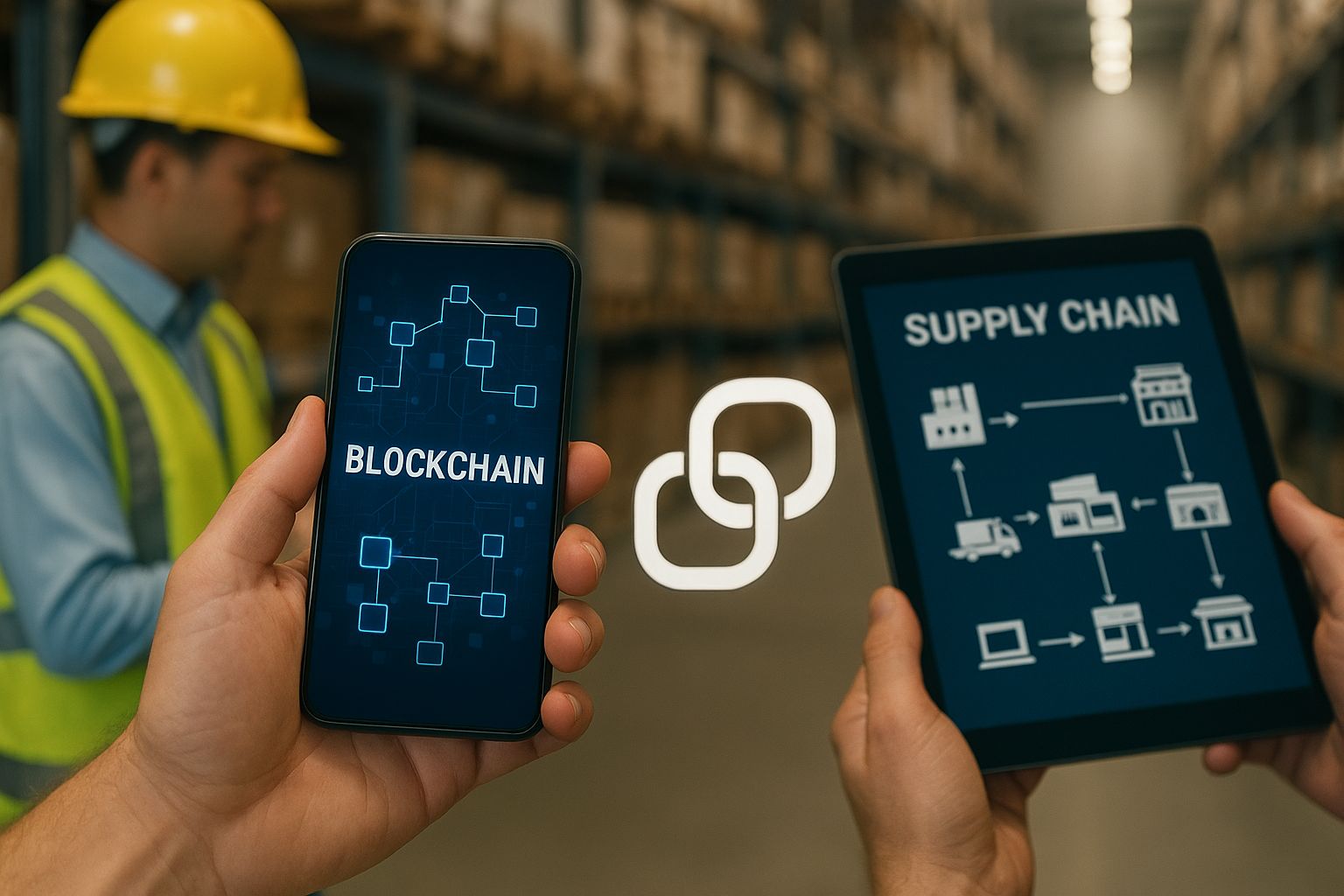
In the dynamic realm of supply chain management, technological advancements continuously redefine the paradigms of efficiency and transparency. Among these innovations, blockchain technology has emerged as a pivotal force, offering transformative capabilities in traceability and transparency.
Blockchain’s decentralized ledger system allows all transactions and product movements to be recorded and verified in real-time. This ensures that every link in the supply chain, from raw material origin to end-user delivery, is documented with unparalleled accuracy. As a result, companies are increasingly leveraging blockchain to enhance the traceability of their products, ensuring alignment with stringent compliance requirements.
Several industries have already adopted blockchain to manage supply chain complexities effectively. For instance, the food sector uses blockchain to track products from farm to table, minimizing the risk of contamination and ensuring compliance with food safety regulations. Retail giants and agricultural companies are integrating blockchain solutions with IoT devices to monitor conditions throughout the product’s journey, further enhancing data accuracy.
The pharmaceutical industry is also capitalizing on blockchain technology to combat counterfeit drugs. By enabling end-to-end traceability, blockchain helps verify product authenticity and ensure that tampered or illicit pharmaceuticals are identified before they reach consumers.
Moreover, the integration of smart contracts within blockchain networks has streamlined procurement processes by automating contract workflows once specific conditions are met. This automation not only reduces the administrative burden but also strengthens compliance, preventing fraud in contractual obligations.
Despite its potential, the widespread adoption of blockchain in supply chain management is not without challenges. High initial setup costs, the need for extensive technological infrastructure, and the requirement for cross-company collaboration often pose barriers to entry. However, as the technology matures and stakeholders become more accustomed to its capabilities, these hurdles are anticipated to diminish, paving the way for wider implementation.
For businesses strategizing their future operational frameworks, understanding and integrating blockchain into their supply chains could be a decisive factor in maintaining competitive advantage. The transformative potential of blockchain to ensure product authenticity, enhance supply chain governance, and comply with regulatory demands could soon redefine industry standards.
As we continue to witness advancements in technology integration, blockchain’s promise to revolutionize supply chain traceability remains a critical discussion point for industry leaders seeking resilient, transparent, and efficient logistical operations.