
The integration of blockchain technology into supply chain management is creating a ripple of transformational changes that are redefining traditional operations. As businesses grapple with challenges such as lack of transparency, traceability issues, and operational inefficiencies, blockchain is being harnessed as a strategic tool to address these concerns.
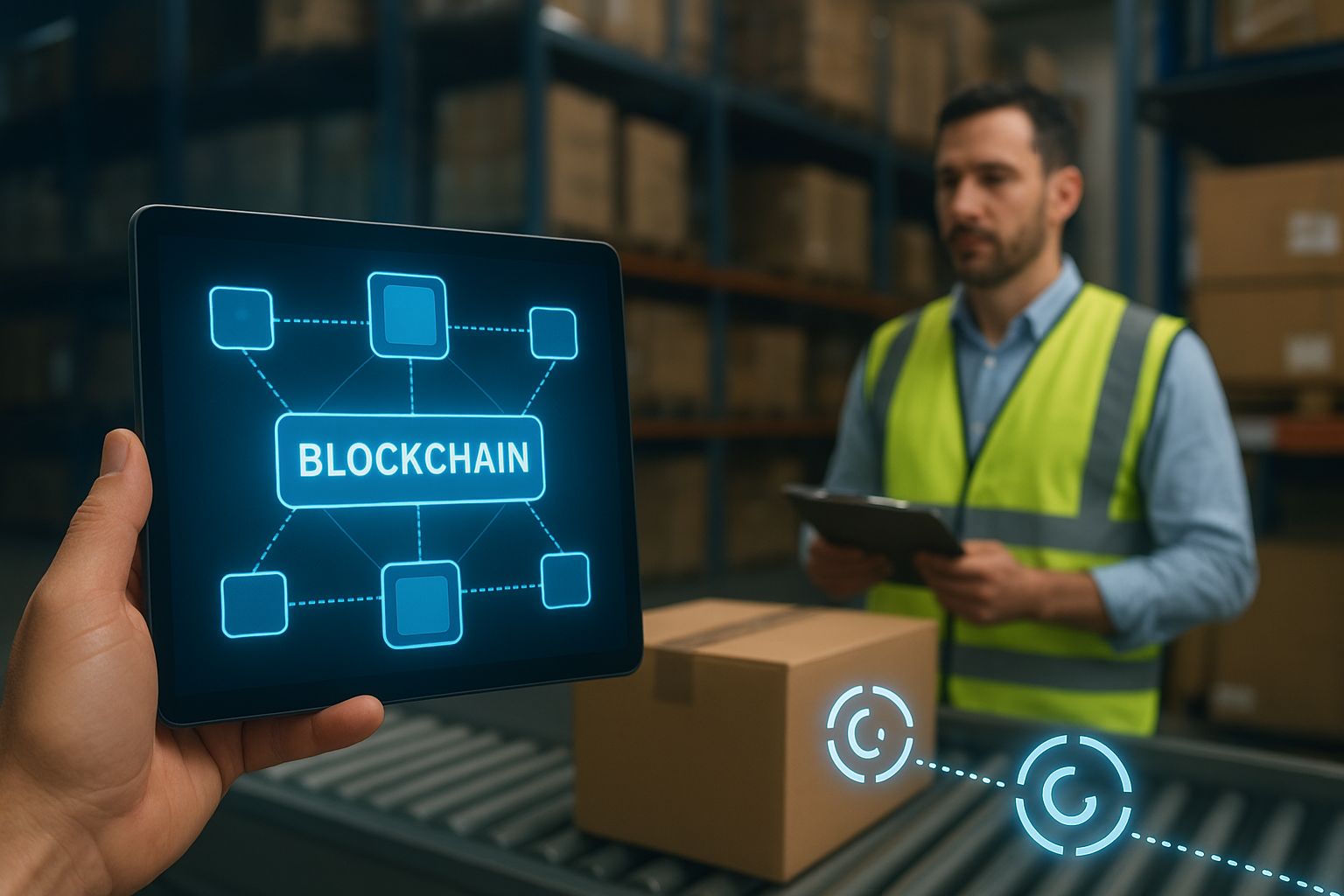
Blockchain’s decentralized ledger system offers unparalleled transparency and security, enabling participants to track products in real-time as they move through the supply chain. This digital ledger records every transaction and movement, from raw materials to finished goods, and makes the information accessible to authorized parties. This level of transparency drastically reduces the risk of fraud or errors and enhances the integrity of supply chain processes.
A recent case in point is the food industry, where blockchain is utilized to improve traceability, particularly for perishable goods. Companies are deploying blockchain to trace the entire journey of food products, ensuring quality control and compliance with safety regulations. In an era of heightened regulatory scrutiny and consumer awareness, this technological application not only minimizes risk but also fortifies brand trust.
Moreover, blockchain offers solutions to logistics challenges by enhancing operational efficiencies. It facilitates seamless coordination among multiple stakeholders involved in a supply chain, including suppliers, manufacturers, distributors, and retailers. Through smart contracts—self-executing contracts with agreement terms directly written into code—transactions and agreements are automatically enforced once predetermined conditions are met. This reduces the need for intermediaries, cuts down processing times, and lowers costs.
Large corporations and startups alike are investing in blockchain technology to harness its full potential. For instance, automotive giants are using blockchain to track parts through manufacturing and delivery processes, ensuring that each component is authentic and complies with safety standards. Similarly, the retail sector is increasingly adopting blockchain for inventory management to prevent overstock and understock scenarios.
Nevertheless, implementing blockchain into existing systems presents challenges. The transition requires significant initial investment, changes in existing IT infrastructure, and a reshaping of current business processes. Furthermore, industries must address issues related to interoperability, as well as establish comprehensive frameworks for data privacy and user access.
In conclusion, while there are hurdles to overcome, the undeniable benefits of blockchain technology in enhancing supply chain transparency, efficiency, and trust make it an invaluable asset. By adopting blockchain, companies not only strengthen their supply chain resilience but also gain a competitive edge in an ever-evolving market landscape. As the technology continues to mature, those who strategically integrate blockchain into their supply chains will likely lead the charge towards a more transparent, efficient, and reliable supply chain ecosystem.