
The recent global disruptions have laid bare the vulnerabilities present in supply chains that many businesses had overlooked. As companies continue to grapple with unforeseen obstructions, a shift towards enhancing real-time visibility has emerged as a critical trend for supply chain resiliency.
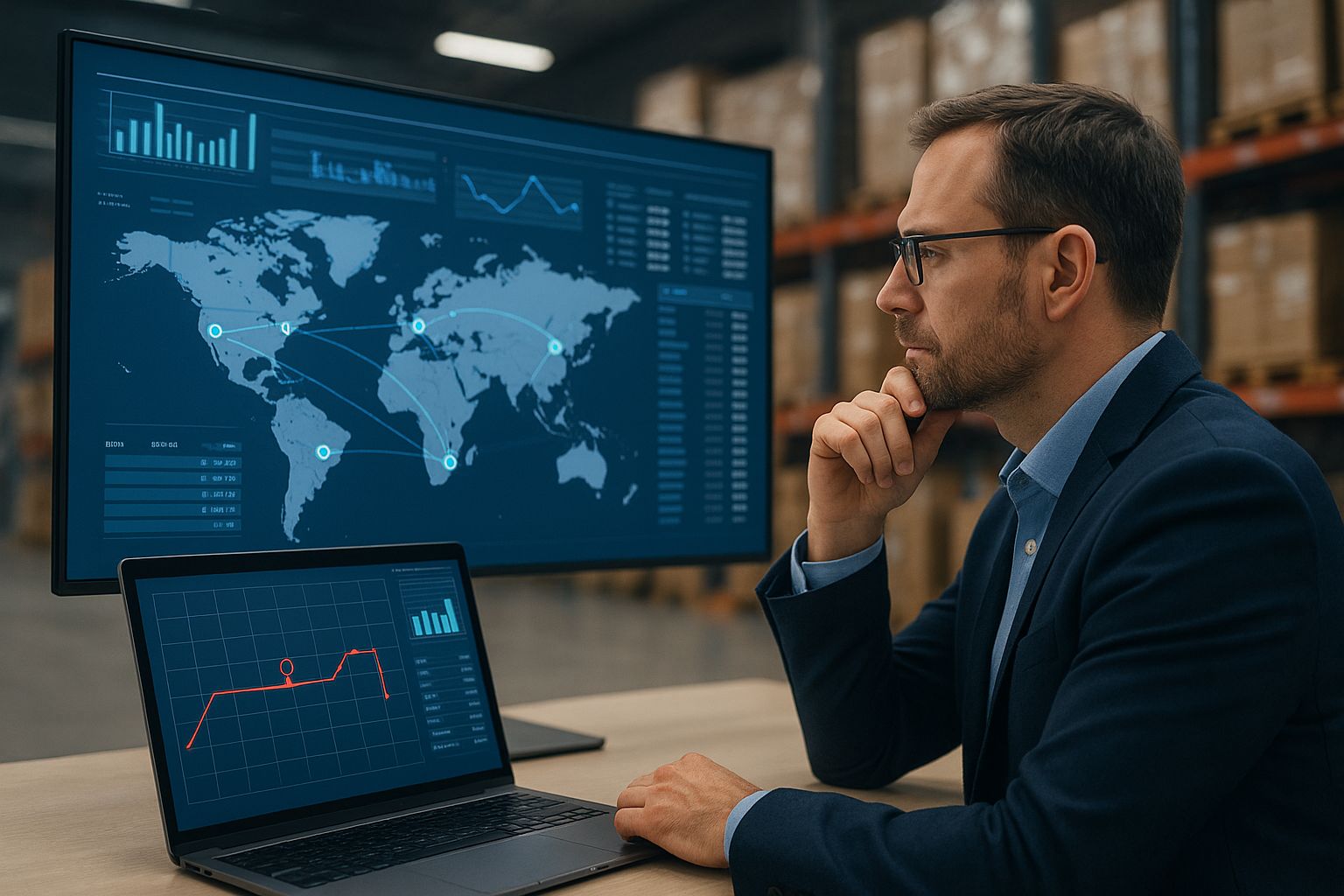
One of the primary drivers behind this transition is the increased complexity in logistics networks. Companies are dealing with multiple suppliers across diverse geographical locations, which require a robust framework for monitoring and management. Real-time visibility technologies, such as IoT sensors and advanced data analytics platforms, are proving indispensable for delivering critical insights into every segment of the supply chain.
A notable case is that of a leading U.S. retailer who recently overhauled its supply chain management by integrating a real-time tracking system. This system allowed them to monitor the status and location of goods across the entire network, reducing delays caused by unforeseen supply chain bottlenecks and minimizing potential losses.
Furthermore, the adoption of advanced analytics tools complements the real-time visibility paradigm by enabling predictive insights. Businesses can forecast potential disruptions and adjust their strategies preemptively, thus preventing operational slowdowns that might impact the bottom line. Risk management has become data-driven, allowing better preparation and response to external shocks.
For practitioners, this shift is also about using visibility enhancements to foster stronger partnerships with suppliers. By sharing insights gleaned from real-time data, companies can collaborate more effectively on mitigating risks associated with supply chain disruptions. Enhanced trust and improved communication naturally lead to more resilient operations.
Recently, the industry has seen an uptick in investment for supply chain technology solutions, illustrating a commitment to overcoming traditional challenges through innovation. Technologies like blockchain, AI-driven analytics, and cloud-based platforms are transforming how supply chain information is captured, stored, and utilized.
As businesses acknowledge the repercussions of supply chain fragility, the push for superior visibility solutions will undoubtedly continue to strengthen. This trend represents not just a technological shift but a strategic evolution towards smarter supply chain management, setting a new standard for preparedness and agility.