
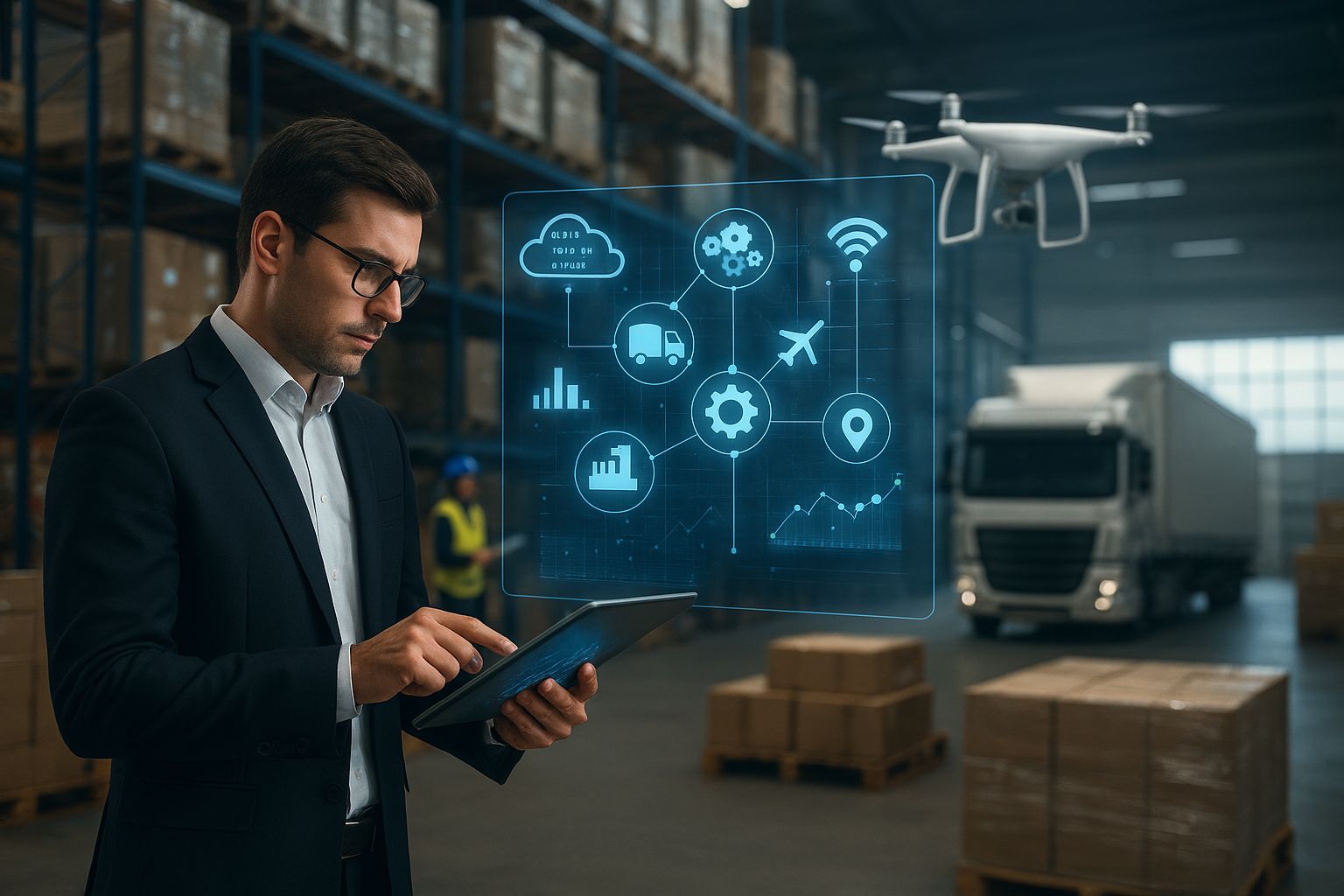
In an era where digitization is revolutionizing industries, the supply chain sector is no exception. Companies worldwide are increasingly embracing advanced technology to enhance efficiency, reduce costs, and maintain a competitive edge. Digitalization in supply chain management has transitioned from being a mere option to a business imperative.
One of the most significant trends in the supply chain landscape is the integration of Internet of Things (IoT) devices and data analytics. IoT devices, equipped with sensors, enable real-time tracking of goods, enhancing visibility and transparency across the supply chain. This technological integration allows companies to monitor and optimize their operations, reducing delays and improving decision-making processes.
Artificial Intelligence (AI) and machine learning are also playing crucial roles in transforming supply chain operations. Predictive analytics powered by AI can anticipate demand changes, optimize route planning, and manage inventories effectively, paving the way for data-driven decision-making. This shift towards predictive and prescriptive analytics helps in mitigating risks and reducing uncertainties, thereby enhancing resilience.
Additionally, automation has become a cornerstone of modern supply chain strategies. Robotic Process Automation (RPA) and autonomous vehicles are streamlining tasks that were traditionally manual and time-consuming. Automated warehouses and distribution centers increase throughput and accuracy while minimizing labor costs. These technologies advance operational efficiency and contribute to the higher adaptability needed in volatile market environments.
Blockchain technology is another game-changer in supply chain digitalization. By ensuring transparency and traceability, blockchain enhances trust among stakeholders and reduces the risk of fraud. It provides a secure and immutable record of transactions, helping organizations gain better control over their supply chains and foster more sustainable practices.
Real-life case studies from industry frontrunners highlight the tangible benefits of these technologies. Leading retailers and logistics firms have successfully cut operational costs and improved delivery times by incorporating digital solutions. These advancements have not only amplified their productivity but also improved customer satisfaction amid growing consumer demands.
As digitalization continues to reshape supply chains, businesses must remain agile and responsive. Embracing these technological advancements is not merely about staying competitive but about future-proofing operations against disruptions. While the path to a fully digital supply chain presents challenges, such as cybersecurity threats and the need for skilled personnel, the benefits far outweigh the potential risks.
In conclusion, the push for supply chain digitalization is more pronounced than ever. Organizations need to embrace this transformation to achieve unprecedented efficiency and resilience. By leveraging cutting-edge technologies, companies can optimize operations, manage risks effectively, and ensure sustainable growth in an ever-evolving global market.