
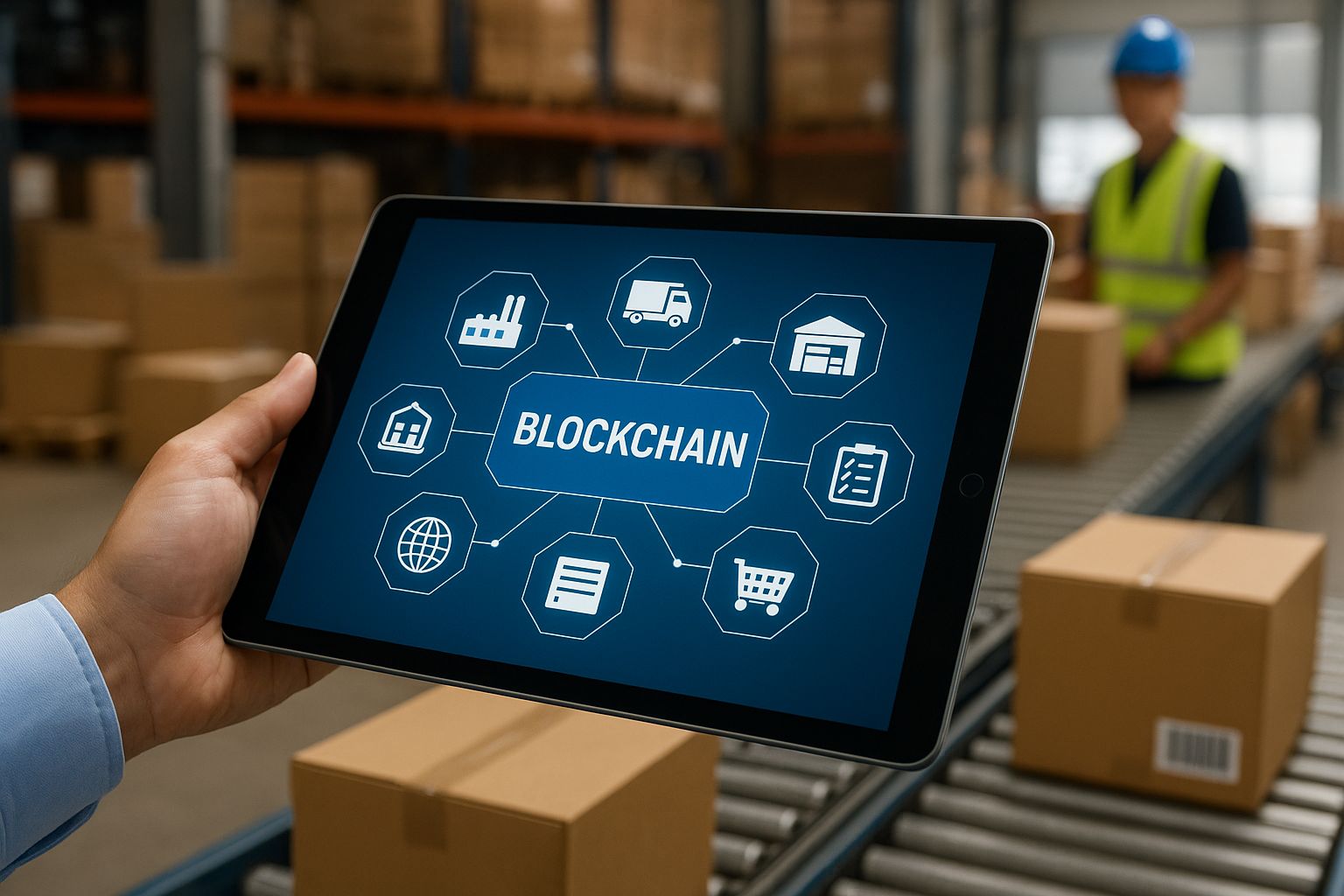
Blockchain technology is emerging as a transformative force in supply chain management, promising unprecedented levels of transparency and efficiency. This trend is gaining momentum as businesses seek more resilient and adaptable supply chain solutions to navigate complex global networks.
Traditionally, supply chains have been notably opaque, often leading to inefficiencies and a lack of accountability. Blockchain addresses these challenges by enabling all parties within a supply chain to access and verify the same information in real time. This shared, immutable ledger system facilitates a transparent and traceable product journey from origin to consumer, minimizing disputes and errors.
One of the critical advantages of implementing blockchain in supply chain processes is enhancing traceability. Consider a multinational food & beverage company that can now provide real-time tracking of its produce from farms to end consumers, ensuring all products meet safety standards while reducing waste. Similarly, the automotive industry is leveraging blockchain to authenticate vehicle parts, ensuring quality and preventing counterfeits.
Furthermore, blockchain solidifies trust among stakeholders by securing transactions through cryptographic proofs. For example, in the pharmaceutical industry, blockchain has played a pivotal role in authenticating the sourcing of raw materials and verifying compliance with regulatory standards, addressing previous issues of trust and verification.
Supply chains incorporating blockchain are also experiencing reductions in operational costs by automating and streamlining administrative processes. Smart contracts, which automatically trigger actions depending on predefined criteria, can optimize procurement and agreements, reducing the need for intermediaries.
Despite its potential, the integration of blockchain into supply chain management presents challenges, such as scaling infrastructure and aligning standards across industries. However, leading corporations are investing in pilot programs and partnerships with tech providers to overcome these barriers, recognizing the long-term benefits outweigh the initial hurdles.
As global trade dynamics become increasingly complex, the role of blockchain in fortifying supply chains against disruptions cannot be overstated. Digital transformation is no longer a future-oriented goal; it is a present requirement to remain competitive and resilient. Blockchain is paving the way for more connected, transparent, and responsive supply chain ecosystems, ultimately driving the industry forward.