

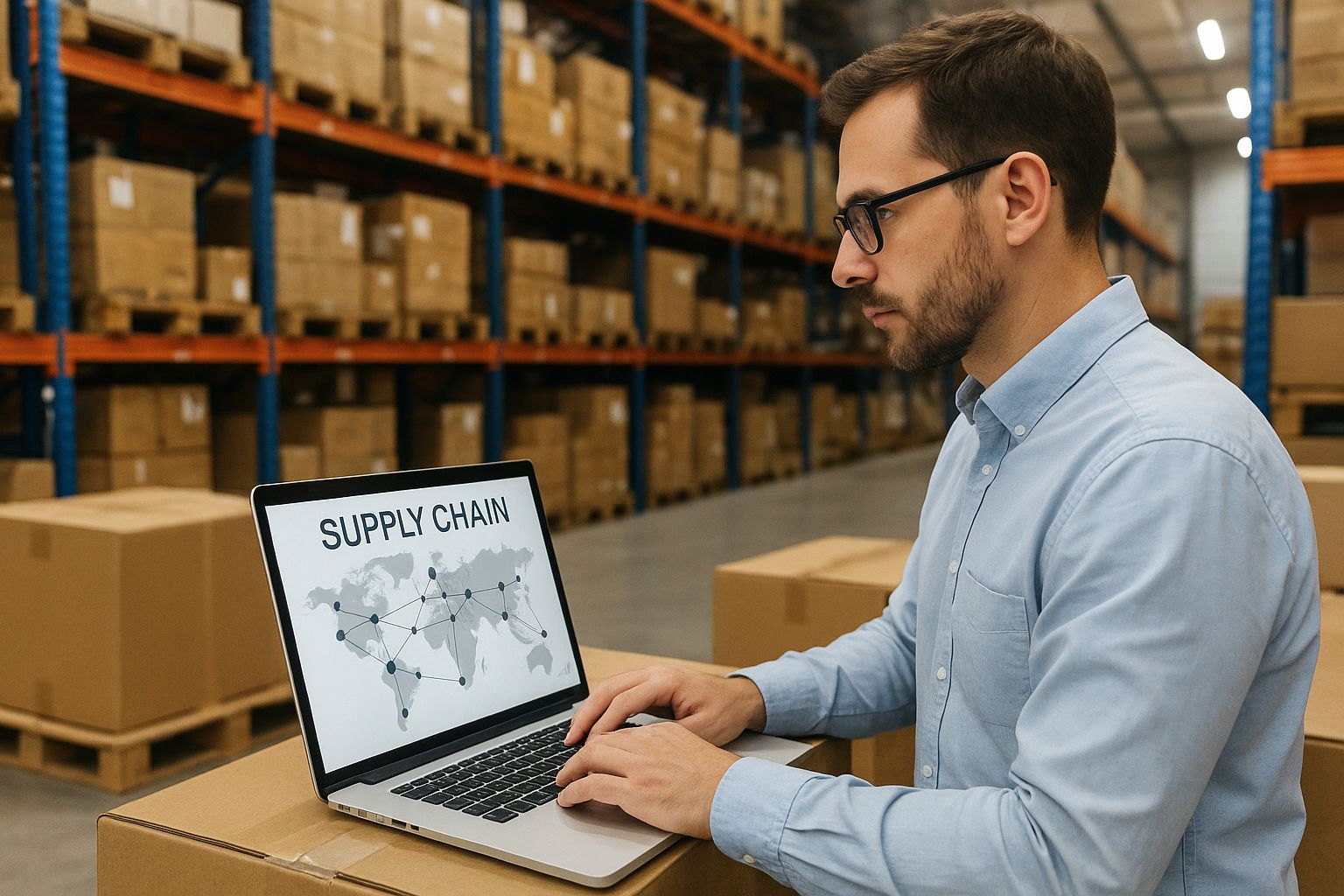
The COVID-19 pandemic underscored significant vulnerabilities in global supply chains. While many industries faced disruptions, it also accelerated the adoption of innovative strategies aimed at mitigating future risks. As businesses transition to a post-pandemic world, the focus is now on resilience and agility.
One prevailing trend is the diversification of supply bases. Over-reliance on specific geographies, particularly those impacted by stringent lockdowns, has compelled companies to rethink their sourcing strategies. Businesses are now prioritizing regional suppliers alongside traditional low-cost country sourcing, thereby minimizing the risk associated with geopolitical events and unforeseen disruptions.
Embracing digital transformation is also proving pivotal in building resilient supply chains. Technologies such as AI, IoT, and blockchain are no longer merely optional but are rapidly becoming integral to operations. For instance, AI can enhance predictive analytics, enabling better demand forecasting and inventory management. IoT devices facilitate real-time tracking of goods, improving visibility across the supply chain.
Blockchain technology offers a compelling solution for enhancing transparency and traceability. With the capability to create immutable records, blockchain aids in assuring quality, preventing fraud, and complying with various regulatory requirements. This technology proves to be particularly beneficial in sectors such as pharmaceuticals and food, where traceability and compliance are critical.
Furthermore, the concept of ‘just-in-time’ inventory, though traditionally popular, is being reconsidered. The pandemic has demonstrated that maintaining a certain level of ‘safety stock’ may outweigh the costs associated with warehousing. This shift is pushing companies to balance between efficiency and redundancy to better cushion against supply chain shocks.
Global trade policies also continue to shape supply chain strategies. Companies are keeping a close watch on regulatory changes, such as tariffs and trade agreements, which have an immediate impact on logistics and cost structures. Leveraging analytics tools can equip firms with the insights needed to navigate these complexities and make strategic decisions aligned with shifting regulatory landscapes.
In summary, the post-pandemic landscape presents a unique opportunity for businesses to re-engineer their supply chains. By adopting a mix of diversification, digital transformation, and strategic inventory management, companies can not only safeguard against future disruptions but also seize new market opportunities. It’s a time for innovation and flexibility, as the lessons learned pave the way for more resilient supply chains built for the future.