
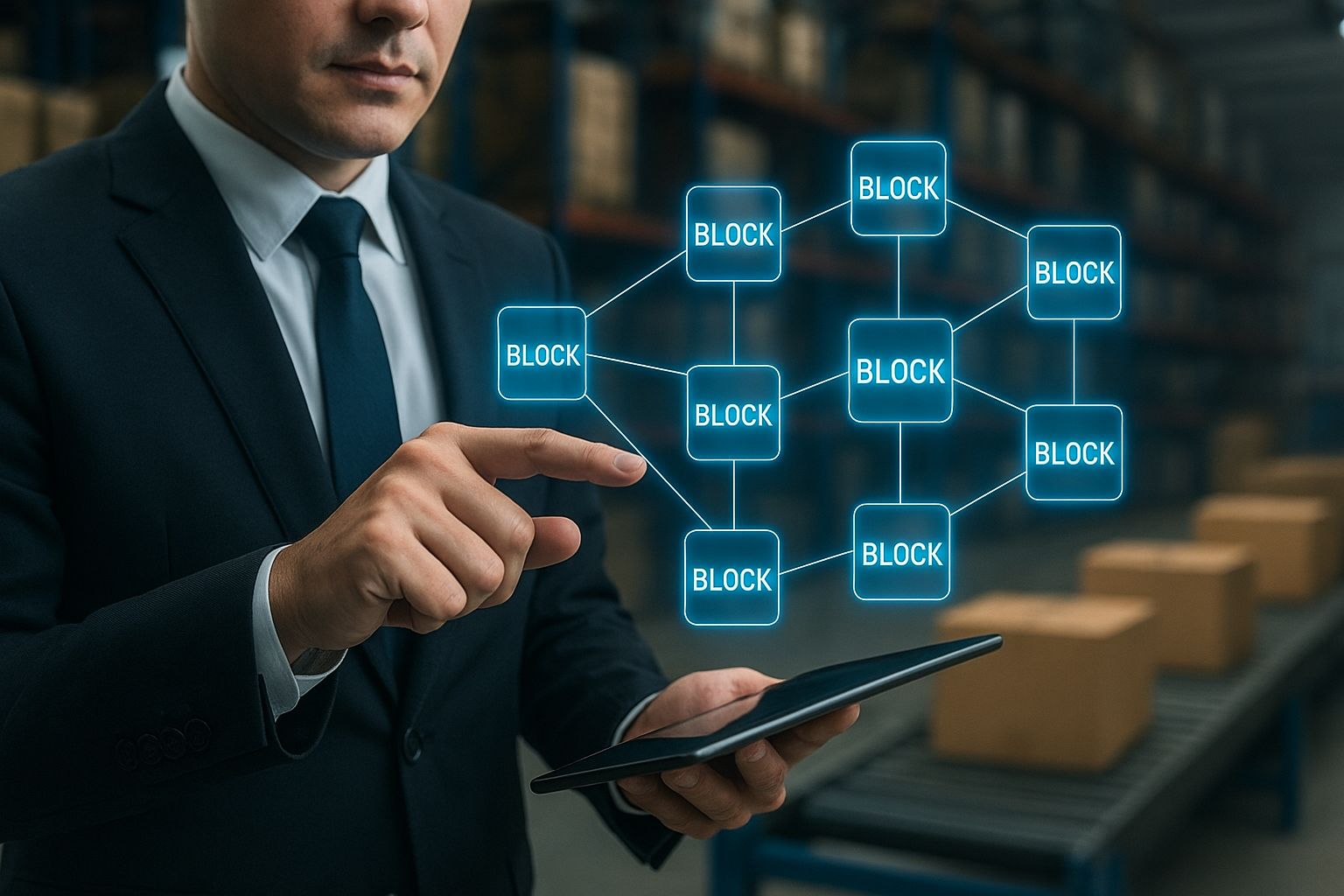
As global supply chains become increasingly complex and intertwined, blockchain technology is emerging as a transformative force, reshaping how businesses approach transparency, efficiency, and accountability. Supply chain professionals are increasingly turning to blockchain to resolve inefficiencies that have plagued the industry for decades.
Blockchain’s primary appeal lies in its ability to provide an immutable, decentralized ledger. This offers a level of transparency and traceability that traditional systems cannot match. For instance, leading companies in the food and beverages sector have adopted blockchain to ensure product authenticity and safety. By securing traceability from farm to table, these organizations have not only improved their bottom line but also enhanced consumer trust.
Another significant advantage of blockchain in supply chain management is its potential to reduce disputes and fraud. In industries where contract compliance and authenticity are paramount, blockchain can serve as a reliable third party, cementing trust between disparate entities. Take the diamond industry, for example. Blockchain ensures that every diamond’s journey, from mine to market, is verified, thereby minimizing the sale of conflict diamonds.
Logistics efficiencies have also seen an uptick with blockchain integration. Traditional methods often fall short due to information silos and delays. By contrast, blockchain’s real-time data sharing allows for effective tracking of goods, optimizing delivery routes, and timing. This has been particularly beneficial in sectors requiring temperature-sensitive logistics, such as pharmaceuticals. Enhanced real-time tracking has empowered these industries to maintain stringent quality controls throughout the supply chain.
However, the journey to blockchain adoption is not without obstacles. Companies often face significant challenges, including the initial cost of implementation and the need for industry-wide collaboration. For blockchain to reach its full potential, stakeholders must work collectively, setting aside competitive boundaries to establish standardized protocols that benefit the entire supply chain ecosystem.
Despite these challenges, the long-term advantages make the pursuit worthwhile. Many forward-thinking companies are pushing past initial hurdles by focusing on pilot projects that target specific supply chain challenges, thereby enabling scalable solutions.
As blockchain continues to evolve, those in the supply chain sector must remain agile and open to new innovations. Early adopters are already reaping the benefits, setting benchmarks for others to follow. The future undoubtedly holds further developments, but as of now, blockchain already stands as a potent tool for enhancing supply chain management.