
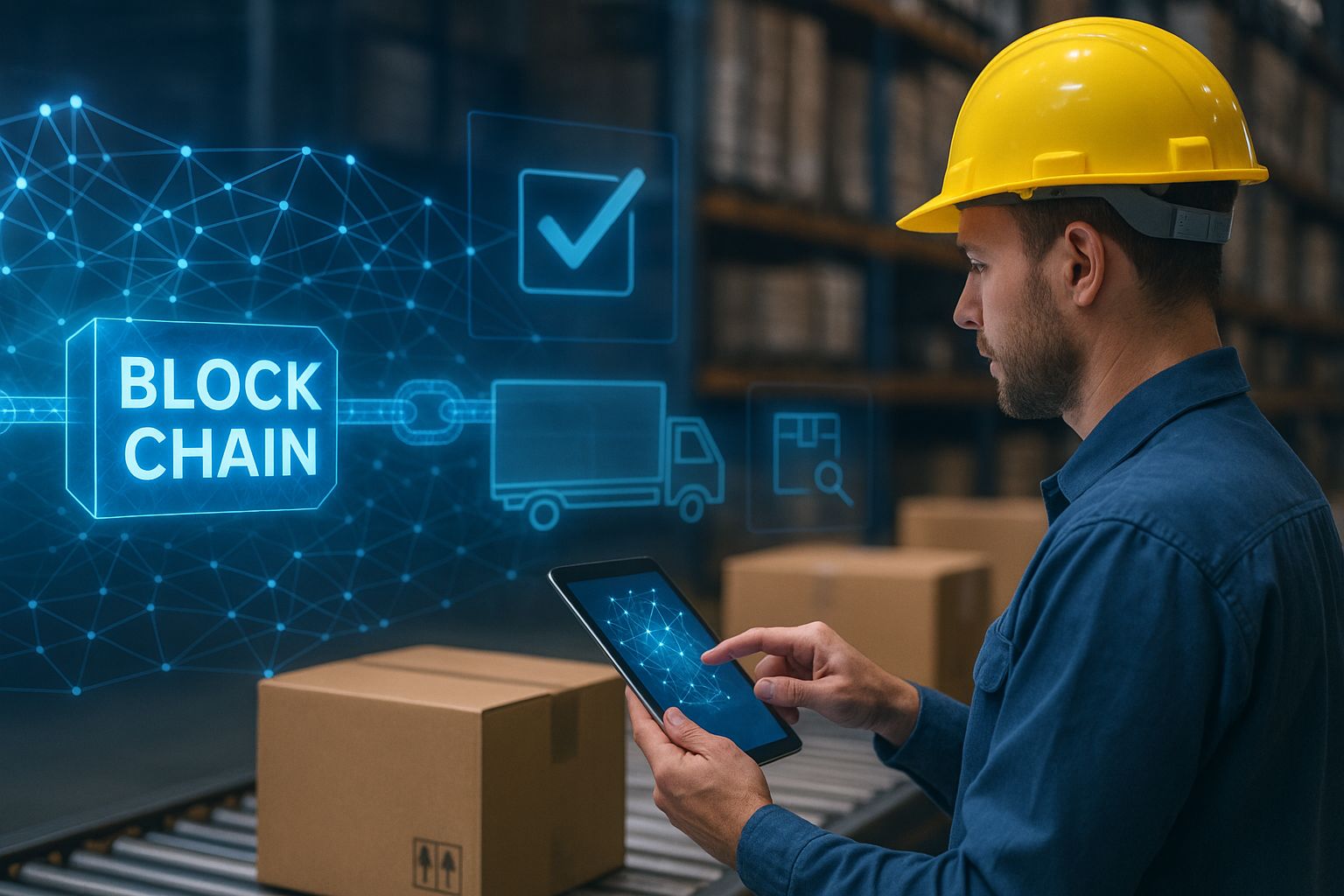
Emerging technologies are reshaping the landscape of supply chain management, and blockchain is at the forefront of this revolution. As businesses increasingly prioritize transparency and efficiency, blockchain offers unprecedented potential.
Blockchain technology, which underpins cryptocurrencies like Bitcoin, is essentially a decentralized ledger that records transactions across multiple devices to ensure security and transparency. In the context of supply chains, this translates into the ability to track products from origin to destination, providing verifiable audits and reducing risk of fraud.
Recent industry investments highlight this trend. For instance, major players such as Walmart and IBM have collaborated on blockchain projects to track food sources and reduce time in tracing origins from a week to mere seconds. Similarly, the pharmaceutical industry is leveraging blockchain to verify drug authenticity and ensure compliance with stringent regulations.
The benefits of integrating blockchain into supply chains are manifold. First, it enhances traceability, which is crucial in sectors like food and pharmaceuticals for safety and compliance. Second, blockchain increases efficiency by automating documentation processes, minimizing human error, and expediting transactions. Moreover, when disputes arise, blockchain’s immutable records provide a clear trail of information.
However, adoption is not without challenges. Building a blockchain network requires significant initial investment in technology and training. Interoperability with existing systems can also pose issues. Despite these hurdles, the potential long-term gains in efficiency and reduced liability far outweigh the initial costs.
Real-world applications demonstrate how companies are overcoming these hurdles. For instance, Provenance, a UK-based startup, uses blockchain to ensure the sustainability of ethical claims about consumer goods. Such innovations are instrumental in meeting consumer demand for product transparency.
As more companies embrace blockchain, a comprehensive shift in supply chain management is expected, moving towards a system that favors transparency and automation. Those who proactively integrate this technology will likely lead in the new era of supply chain management.
In summary, blockchain is not just a futuristic concept; it is actively evolving the supply chain ecosystem. Companies investing in this technology are not only improving operational efficiencies but are also sending a clear message about their commitment to transparency and trust.