

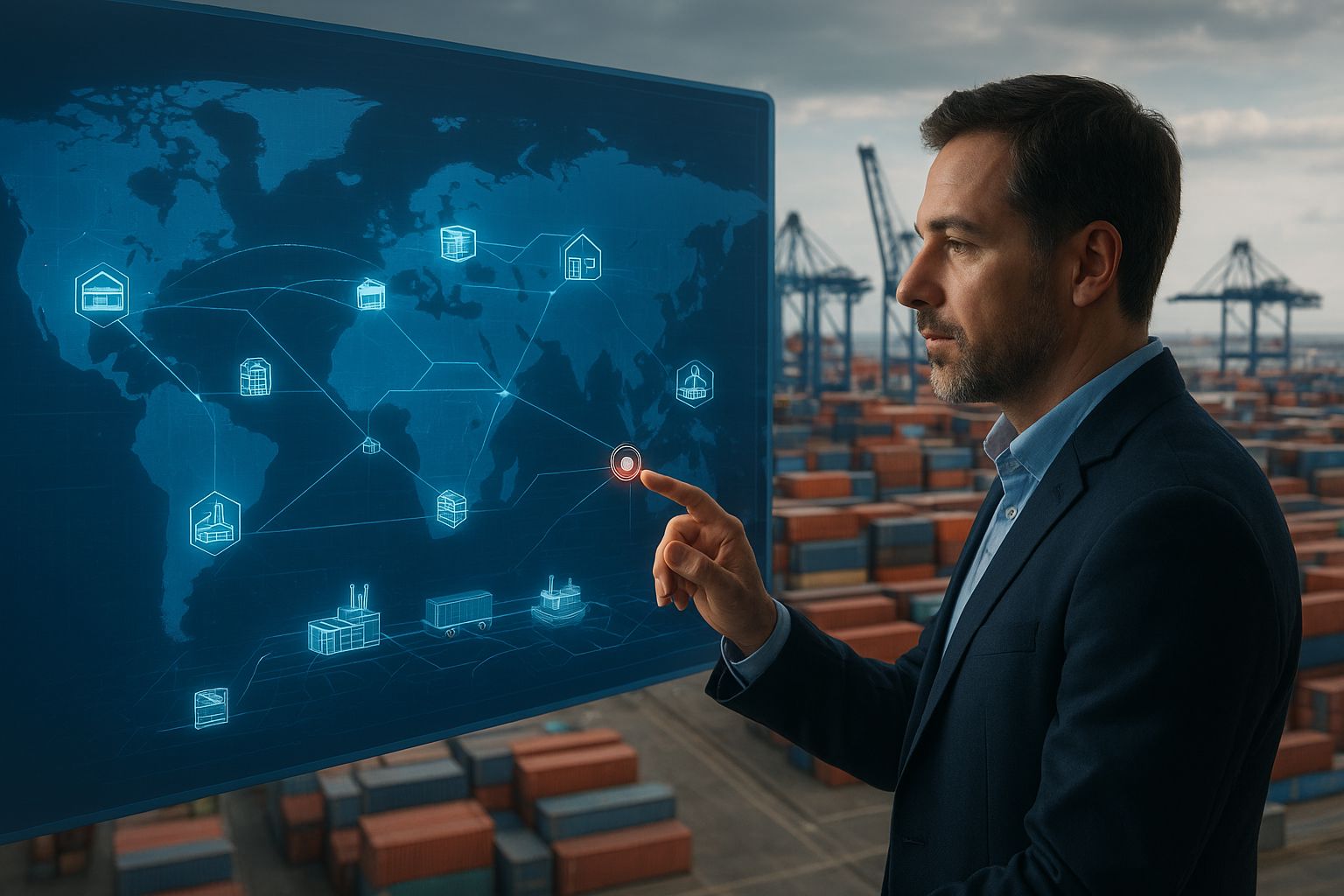
The landscape of global supply chains has been under immense pressure, particularly highlighted by recent disruptions caused by geopolitical tensions, climatic events, and raw material shortages. As businesses strive to remain competitive and resilient, there is an increasing trend towards the integration of advanced technologies to enhance supply chain resilience.
One of the pivotal shifts is the embracement of digital twins. This technology allows organizations to create virtual models of their physical supply chains, enabling them to simulate scenarios and predict potential disruptions. For instance, leading automotive companies have adopted digital twins to streamline production processes and anticipate logistical bottlenecks. By forecasting potential issues, firms can proactively address challenges, reducing downtime and associated costs.
In addition, the incorporation of blockchain technology continues to reshape supply chain transparency. A major retail brand recently integrated blockchain to enhance traceability and trust within its supply network. This ensures that information regarding the origin and movement of products is transparent and tamper-proof, providing significant value in an era where ethical sourcing and sustainability are paramount.
The rise of AI-driven analytics is another game-changer, allowing businesses to process vast amounts of data to identify patterns and make informed decisions in real-time. Logistics companies are leveraging machine learning algorithms to optimize routes, minimize fuel consumption, and improve delivery times. This not only enhances operational efficiency but also contributes to sustainability efforts by reducing carbon footprints.
On the human capital front, the importance of strategic workforce management in supply chains cannot be overstated. Companies are increasingly focusing on upskilling their employees to work alongside new technologies. By investing in human resource development, organizations ensure that their workforce adapts swiftly to technological evolutions, thereby maintaining a competitive edge.
As businesses navigate through these complex challenges, it is imperative to develop a multi-faceted strategy that includes both technological integration and human-centric approaches. This dual focus is essential in crafting a robust and resilient supply chain capable of withstanding future disruptions and seizing emerging opportunities.
Ultimately, those organizations that can quickly adapt and innovate will not only survive but thrive, setting themselves apart in a rapidly evolving global market.