

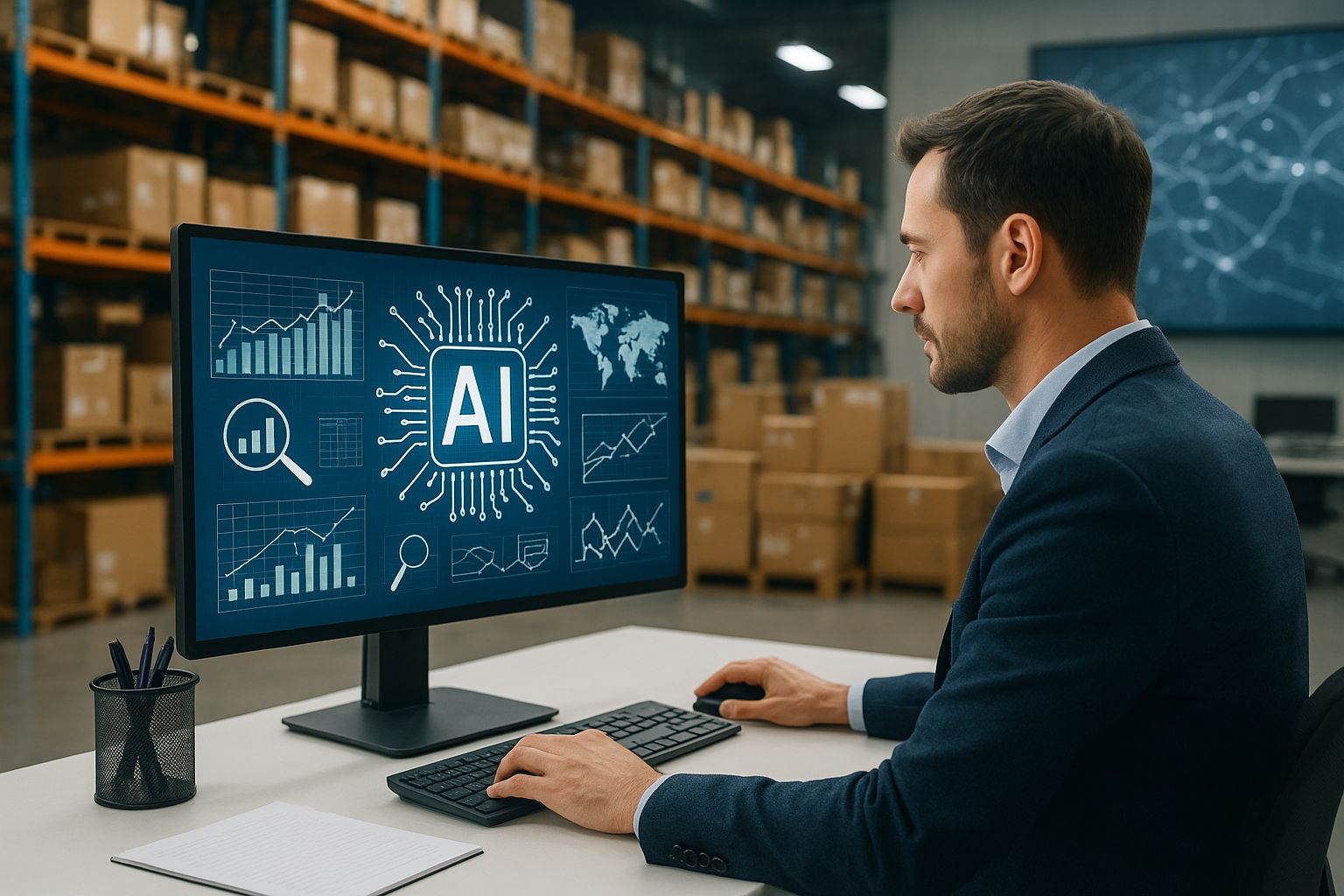
Artificial intelligence (AI) is transforming supply chain management by enhancing operational efficiency, reducing costs, and improving decision-making processes. Organizations across industries are increasingly integrating AI-driven strategies to optimize logistics, inventory management, and demand forecasting.
One of the notable advancements in AI technology within supply chains is the development of predictive analytics. By leveraging machine learning algorithms, companies can analyze large sets of data, identify patterns, and predict future demand with remarkable accuracy. This allows businesses to maintain optimal inventory levels, reduce excess stock, and respond proactively to market fluctuations.
Additionally, AI-powered solutions are streamlining logistics operations. Route optimization algorithms enable companies to efficiently map out delivery paths, minimizing transportation costs and enhancing delivery speed. In turn, these improvements help reduce carbon footprints, aligning with sustainability objectives which are increasingly prioritized by global corporations.
AI is also playing a crucial role in risk management within supply chains. With real-time monitoring and data analysis, organizations can swiftly identify potential disruptions, such as delays in shipments or supplier inconsistencies. This proactive approach helps mitigate risks and implement contingency plans before disruptions escalate, safeguarding the continuity of operations.
Case studies highlight the successful implementation of AI in supply chains. For instance, a multinational retailer employing AI tools in their inventory processes reported a 20% increase in order accuracy and a 30% reduction in overhead costs. Such outcomes underline the transformative potential of AI when embedded in supply chain systems.
The integration of AI with Internet of Things (IoT) devices further amplifies supply chain automation. Smart sensors collect data from various logistics touchpoints, facilitating real-time visibility and communication across the supply chain network. Companies utilizing these technologies report improved synchronization between suppliers, manufacturers, and distributors.
While the benefits are significant, adopting AI in supply chains demands careful planning and investment. Businesses must ensure that their IT infrastructure can handle high volumes of data, and staff should be adequately trained to operate these advanced systems. Additionally, establishing clear data privacy and security protocols remains crucial to protect sensitive information.
AI continues to reshape the supply chain landscape, enabling businesses to stay competitive in an ever-evolving market. As more companies recognize its value, the adoption of AI-driven technologies is expected to continue growing, setting new standards for efficiency and agility in supply chain management.