
As global supply chains grow increasingly complex, companies are turning to innovative technologies to streamline operations and enhance predictive capabilities. One such transformative trend is the adoption of Digital Twin technology, which is revolutionizing how businesses manage logistics and manufacturing processes.
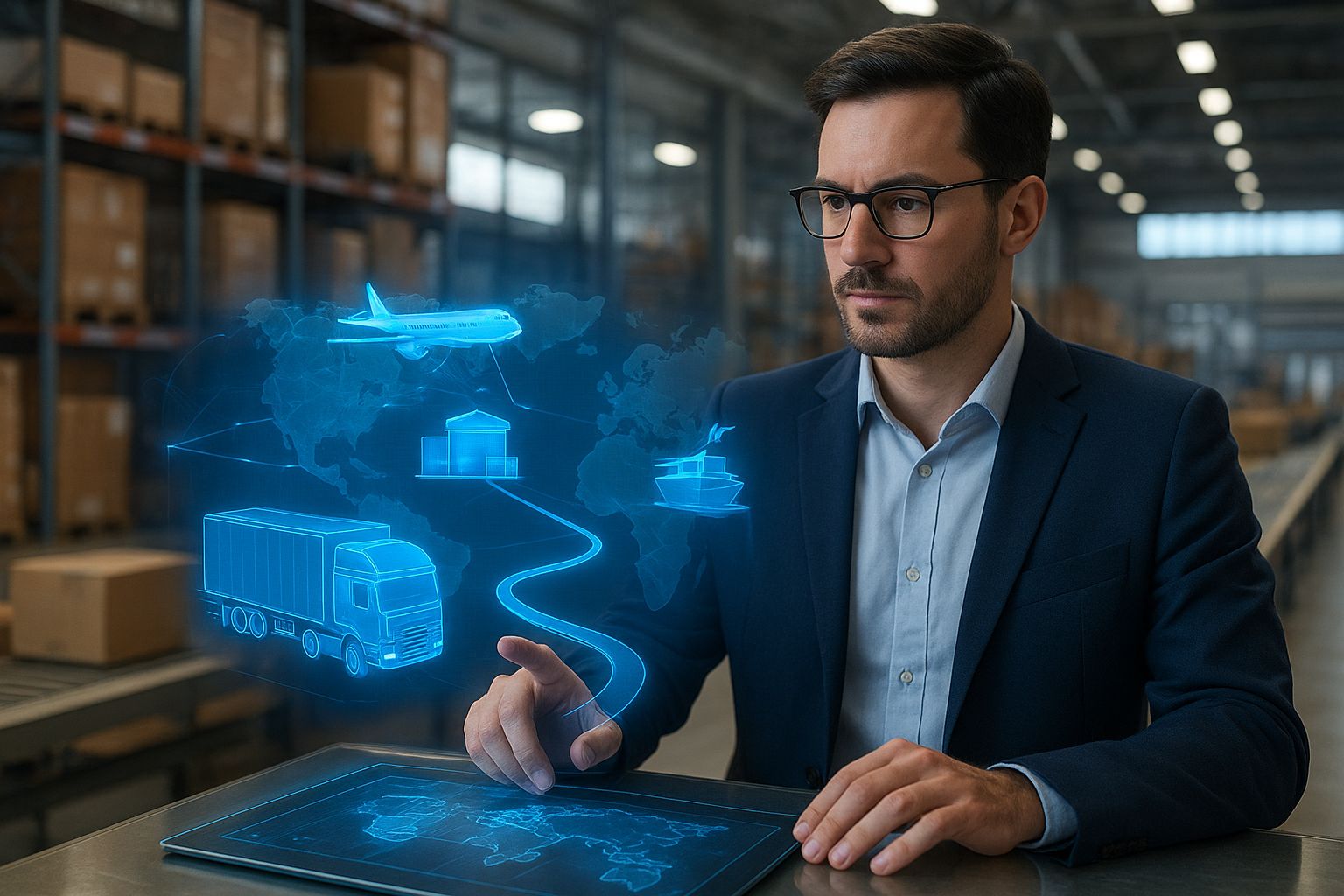
Digital Twins act as a virtual replica of a physical supply chain, allowing companies to simulate, analyze, and optimize their operations in real-time. This technology enables decision-makers to predict outcomes more accurately, mitigate risks preemptively, and strategize effectively under changing conditions.
Several industry leaders are already leveraging these digital simulations to enhance their supply chain resilience. For instance, automotive manufacturers have begun integrating Digital Twins to navigate the intricacies of global parts sourcing and production planning. By constantly updating their virtual models with real-time data from IoT devices, companies gain a holistic view of the entire supply chain ecosystem, thereby ensuring a more responsive and agile operational framework.
Another compelling advantage of Digital Twin technology is its significant contribution to sustainability efforts. By enabling precise resource management, companies can significantly cut down on waste, reduce excess inventory, and optimize energy consumption. This not only contributes to cost reduction but also supports corporate sustainability initiatives—key drivers of corporate social responsibility in today’s market.
However, the successful implementation of Digital Twins in supply chains is contingent on several factors. Data integration stands out as a critical component, necessitating coherent collaboration between IT systems, IoT devices, and advanced analytics platforms. Additionally, organizations must invest in skilled personnel who can manage these sophisticated systems and derive actionable insights from them.
Moreover, security concerns around data privacy and intellectual property protection continue to challenge the widespread adoption of Digital Twins. As such, forward-thinking companies are prioritizing cybersecurity measures, alongside fostering robust collaborations with technology partners, to safeguard their sensitive data.
In conclusion, as supply chains move towards greater digitalization, Digital Twin technology is poised to redefine the benchmarks of operational efficiency and sustainability. Businesses that invest in this cutting-edge innovation today will likely find themselves at the forefront of tomorrow’s industry standards.