
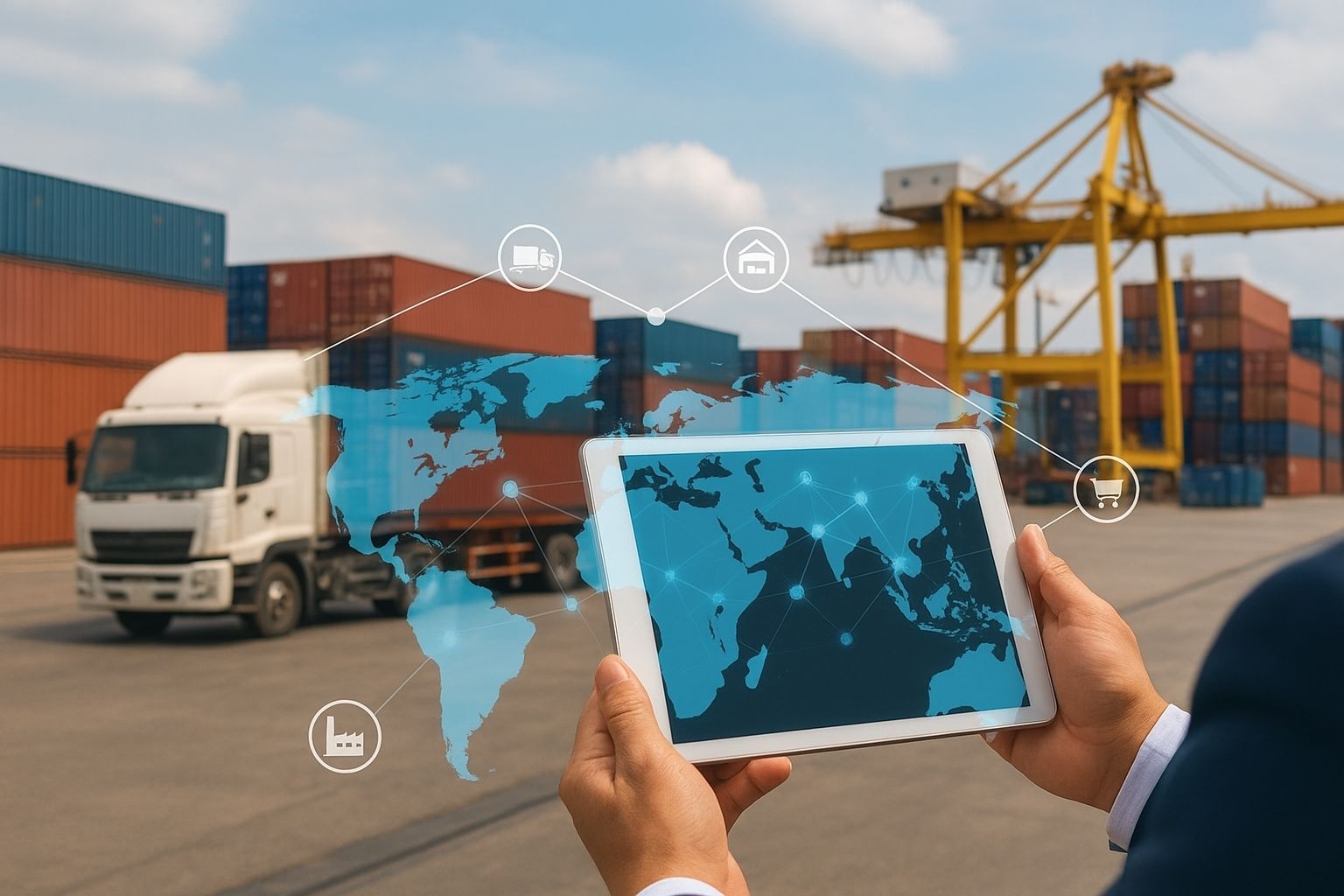
In recent years, blockchain technology has emerged as a groundbreaking solution for enhancing transparency and efficiency within supply chains. As global trade becomes increasingly complex, businesses are turning to blockchain to establish a more trustworthy and efficient logistics network.
Blockchain is fundamentally reshaping supply chain management by offering unprecedented visibility into the journey of goods. Companies can now use distributed ledger technology to create a tamper-proof record of every transaction and movement of a product, from raw materials to the end consumer. This transparency not only cultivates trust among stakeholders but also significantly reduces the risk of fraud and counterfeit products entering the market.
One noteworthy implementation of blockchain in supply chains is its use in tracking the provenance of food products. Companies like Walmart have partnered with technology firms to implement blockchain solutions that trace the journey of food from farm to table. This innovation allows for rapid and precise identification of contamination sources during food safety crises, thereby minimizing public health risks.
Beyond food safety, blockchain technology is also proving valuable in the fashion and apparel industry, where proving authenticity and ethical sourcing is paramount. Several luxury brands are now leveraging blockchain to provide consumers with verifiable data about the origin and authentic craftsmanship behind their purchases.
Another significant advantage of blockchain in supply chains is its impact on operational efficiency. By providing a single source of truth, blockchain technology streamlines processes previously hindered by manual record-keeping and data discrepancies. This leads to reductions in administrative burden, faster processing times, and lowered operational costs.
However, implementing blockchain in supply chains is not without challenges. The technology involves a substantial initial investment and demands a reimagining of current processes to integrate decentralized systems. Furthermore, for blockchain to reach its full potential, widespread industry adoption and collaboration are essential, which requires fostering partnerships and building digital infrastructures.
Despite these hurdles, the potential for blockchain to revolutionize supply chain operations is immense. Organizations that can harness its power will likely gain significant competitive advantages through enhanced transparency, efficiency, and consumer trust. As more companies invest in blockchain, the future of supply chains looks increasingly promising and innovative.