
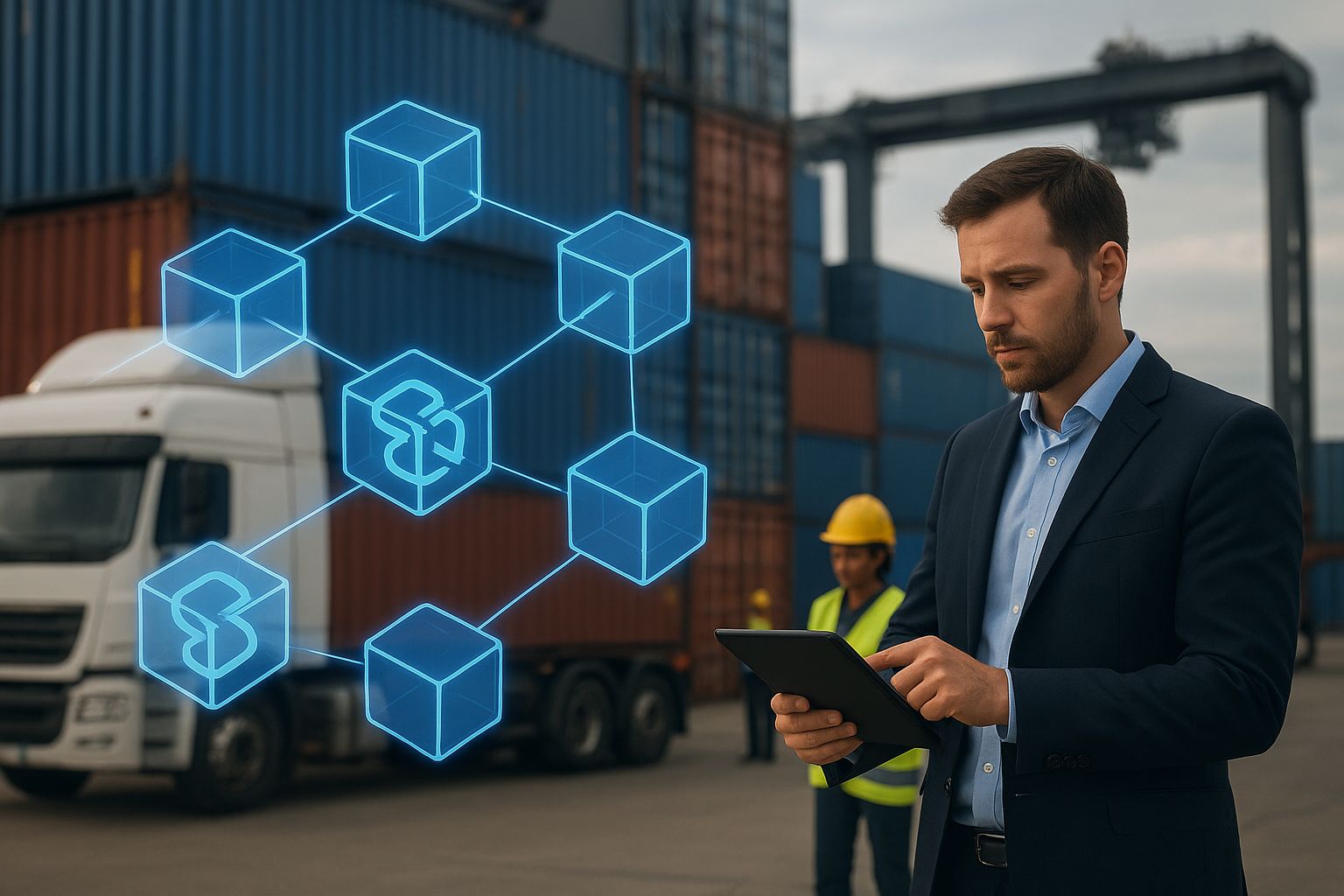
Blockchain technology, once primarily associated with cryptocurrency, is now making significant inroads into the logistics and supply chain sectors. Its decentralized and immutable ledger system is providing the foundation for unprecedented transparency and efficiency.
The fundamental challenge in logistics has traditionally been transparency and the ability to track goods across the supply chain. Blockchain addresses this by allowing companies to create a shared, tamper-proof record of transactions. This capability increases trust across the network while minimizing the fallout from discrepancies in data.
Several major players in the logistics industry are already exploring blockchain’s potential. For instance, Maersk, in collaboration with IBM, has developed a blockchain-based platform called TradeLens that provides real-time insights into shipping data. By digitizing supply chain information and sharing it across participants, TradeLens aims to cut down on administrative waste and reduce fraud risks.
Blockchain technology also enhances traceability, which is crucial for industries that manage perishable goods. By using blockchain, companies can pinpoint the status and condition of goods throughout the journey from farm to table. This capability proves invaluable in the event of a recall, as it allows companies to trace the origins of contaminated goods and remove them from circulation efficiently.
Moreover, blockchain contributes to sustainability by improving the accuracy of data related to carbon footprints. Through its ability to log and analyze the carbon emissions of each step in the supply chain, companies can optimize their processes accordingly and meet increasingly stringent environmental regulations.
Despite these advantages, adopting blockchain in the supply chain industry is not without its challenges. Key concerns include the cost of implementation, data privacy considerations, and the need for industry-wide standardization to realize its full potential.
A forward-thinking approach is required by logistics operators to integrate blockchain effectively. Early adopters must not only invest in this technology but also advocate for broader ecosystem transformation. As more companies recognize the advantages, blockchain could redefine supply chain operations globally, leading to more secure, efficient, and transparent networks.