
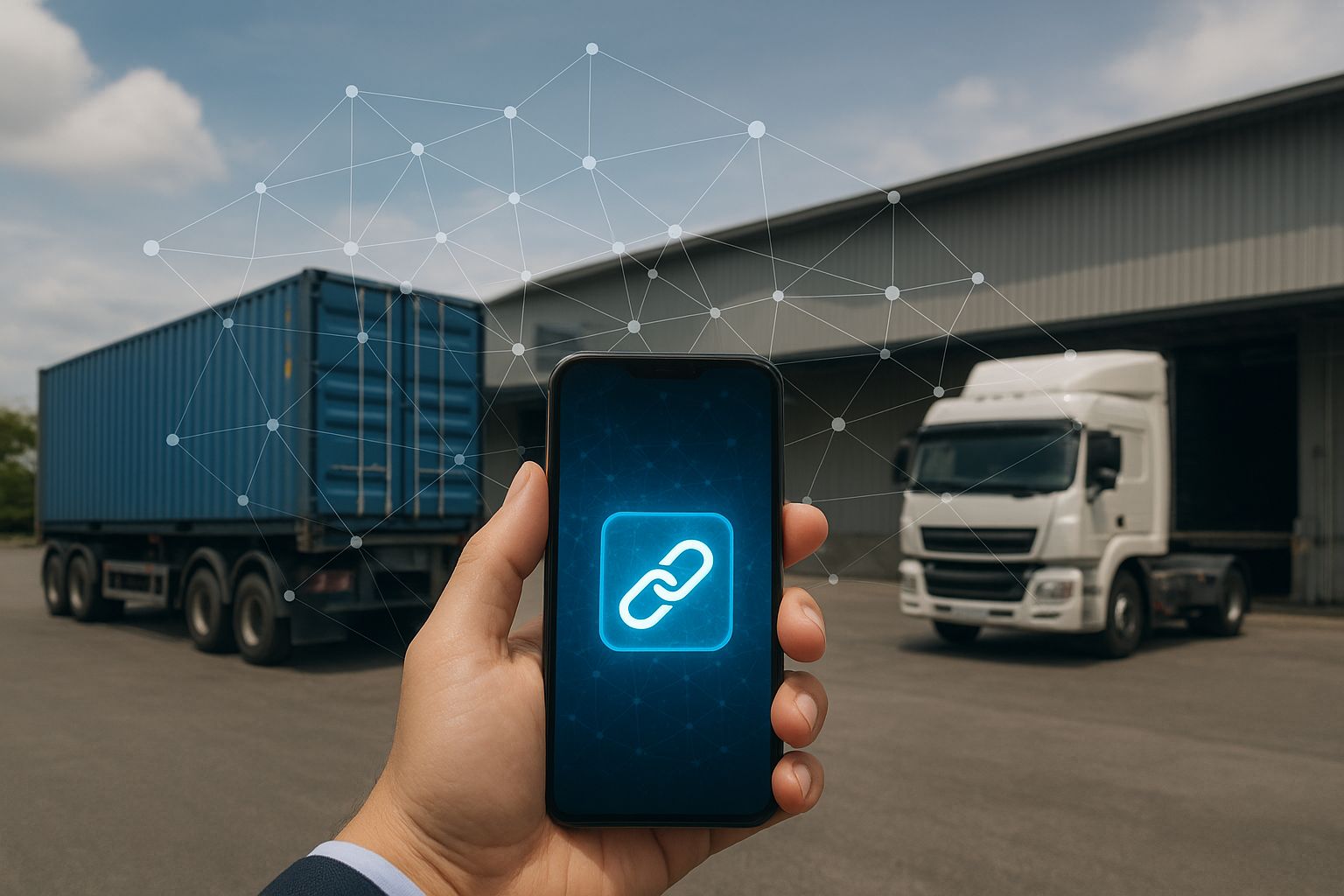
As global supply chains grow increasingly complex, companies are turning to blockchain technology to enhance transparency, improve efficiency, and reduce vulnerabilities in their logistics networks. The integration of blockchain into supply chain management systems is emerging as a transformative trend, reshaping how goods are tracked, verified, and delivered worldwide.
One of the key drivers behind this adoption is the need for enhanced transparency in supply chains. Blockchains’ decentralized ledger architecture ensures that all participants along a supply chain have access to a single, immutable record. This level of transparency is critical for maintaining trust among stakeholders and minimizes the risk of fraud and errors from manual data entries. Companies like Walmart and IBM have pioneered blockchain pilot programs in recent years, improving their ability to trace product origins from farm to store shelves swiftly.
Efficiency gains are another significant benefit of blockchain integration. By automating the capture and sharing of data, blockchain reduces the need for intermediaries and streamlines processes like cargo handoffs, customs clearance, and payments. For instance, Maersk and TradeLens, in collaboration with IBM, are revolutionizing shipping documentation by using blockchain to expedite everything from issuance to acceptance, cutting administrative tasks and costs drastically.
Moreover, the resilience offered by blockchain during disruptions, such as the COVID-19 pandemic, has driven wider interest. With blockchain, companies can better anticipate and quickly respond to disruptions, aid in contingency planning, and reevaluate strategies based on real-time data. Blockchain’s ability to provide an unalterable ledger also ensures compliance with regulatory requirements, offering peace of mind in navigating international trade rules.
However, it’s essential to understand that integrating blockchain into supply chains is not without challenges. The technology often requires significant upfront investment in both software development and infrastructure. Companies must also overcome challenges related to data privacy regulations, especially when coordinating across borders. Another issue is achieving industry-wide collaboration, as blockchain’s true value is realized when there is mass adoption.
Despite these challenges, the potential benefits of blockchain in supply chain management are driving its adoption at a remarkable pace. Key sectors including automotive, pharmaceutical, and food industries are increasingly evaluating blockchain as a critical component of their modernization strategies.
Looking forward, the evolution of blockchain in supply chain management could redefine how companies approach risk management and operational efficiency. While the journey to full integration is fraught with hurdles, those investing in blockchain technologies stand to gain a competitive edge in the fiercely competitive global marketplace.