

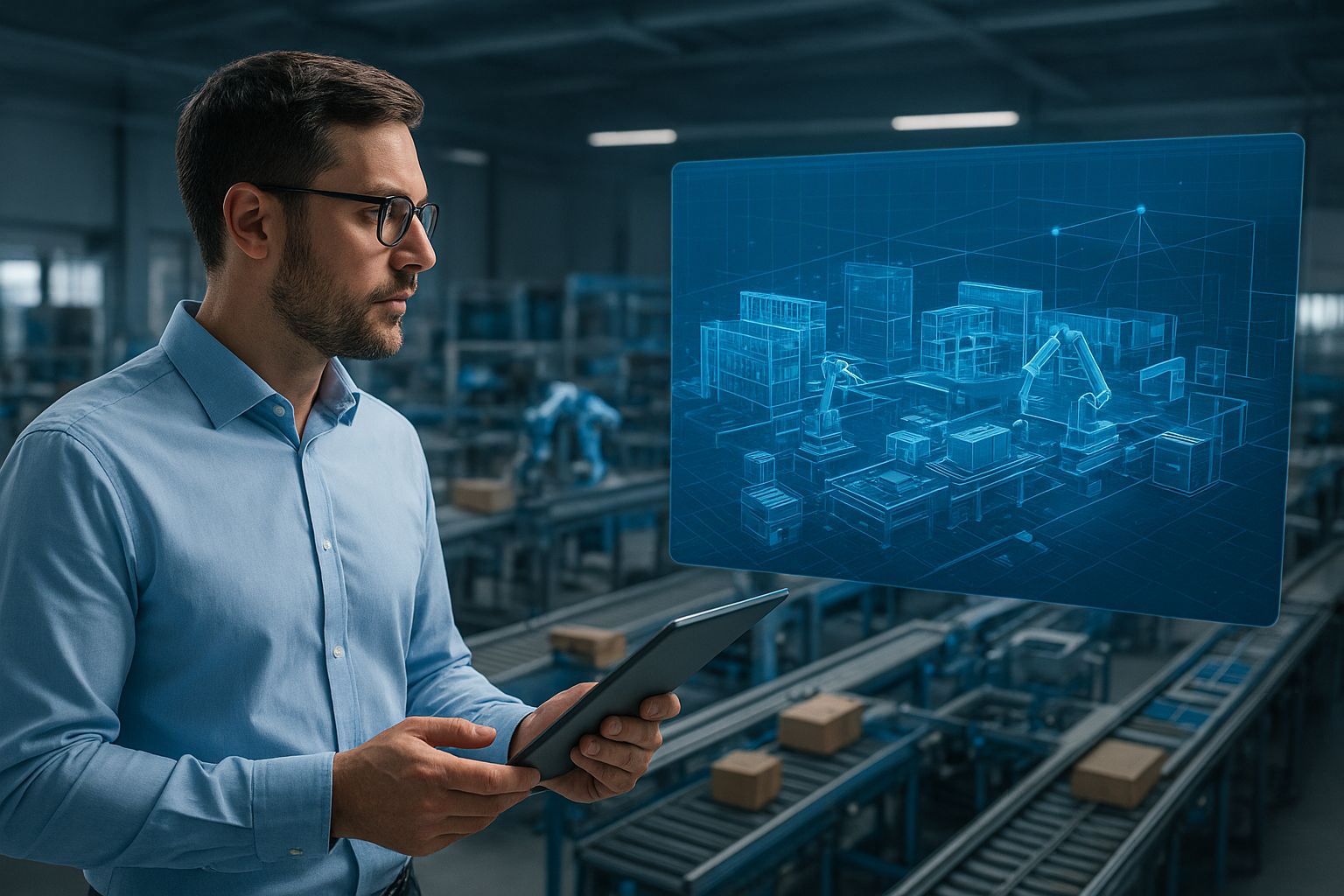
In the ongoing evolution of supply chain management, digital twins are emerging as a transformative technology, offering unparalleled opportunities for integration. The utilization of digital twins—virtual replicas of physical entities—enables companies to simulate, predict, and optimize every aspect of their logistics and production processes.
The technology is being harnessed to mirror entire supply chain networks in a virtual environment, allowing organizations to anticipate potential disruptions, monitor performance in real-time, and test modifications without risk to actual operations. This capability can lead to significant efficiency gains, cost reductions, and enhanced decision-making.
One notable example is Siemens, which has implemented digital twins to streamline their supply chain operations. By creating a digital counterpart of their production line, Siemens can monitor and adjust workflows dynamically. This proactive approach is particularly valuable in mitigating risks such as supplier delays or equipment failures, which can be preemptively addressed by modeling and refining processes within the twin.
Moreover, digital twins are proving instrumental in enhancing supply network resilience. Recent disruptions, from pandemic-induced challenges to geopolitical tensions, have underscored the necessity for agile and adaptable supply chains. Digital twins provide an innovative solution by allowing businesses to reconfigure their networks rapidly in response to disruptions, ensuring continuity and minimizing downtime.
The integration of AI with digital twins further enhances their capabilities. AI-driven algorithms can analyze vast data sets generated by digital twins, providing actionable insights and facilitating smarter, data-informed strategies. For instance, predictive analytics powered by AI can improve inventory management by anticipating demand fluctuations, thereby optimizing stock levels and reducing waste.
However, the adoption of digital twins is not without challenges. Data security and privacy concerns, integration with legacy systems, and requisite infrastructure investments are critical considerations. Organizations must strategically plan these implementations, often requiring significant initial investments in both technology and skills development.
In the coming years, as the technology matures and barriers to adoption diminish, digital twins are poised to become a cornerstone of robust supply chain strategies. Companies that can effectively integrate digital twins into their supply chain operations stand to gain a formidable competitive advantage, achieving greater efficiencies and enhanced resilience in an increasingly unpredictable world.