
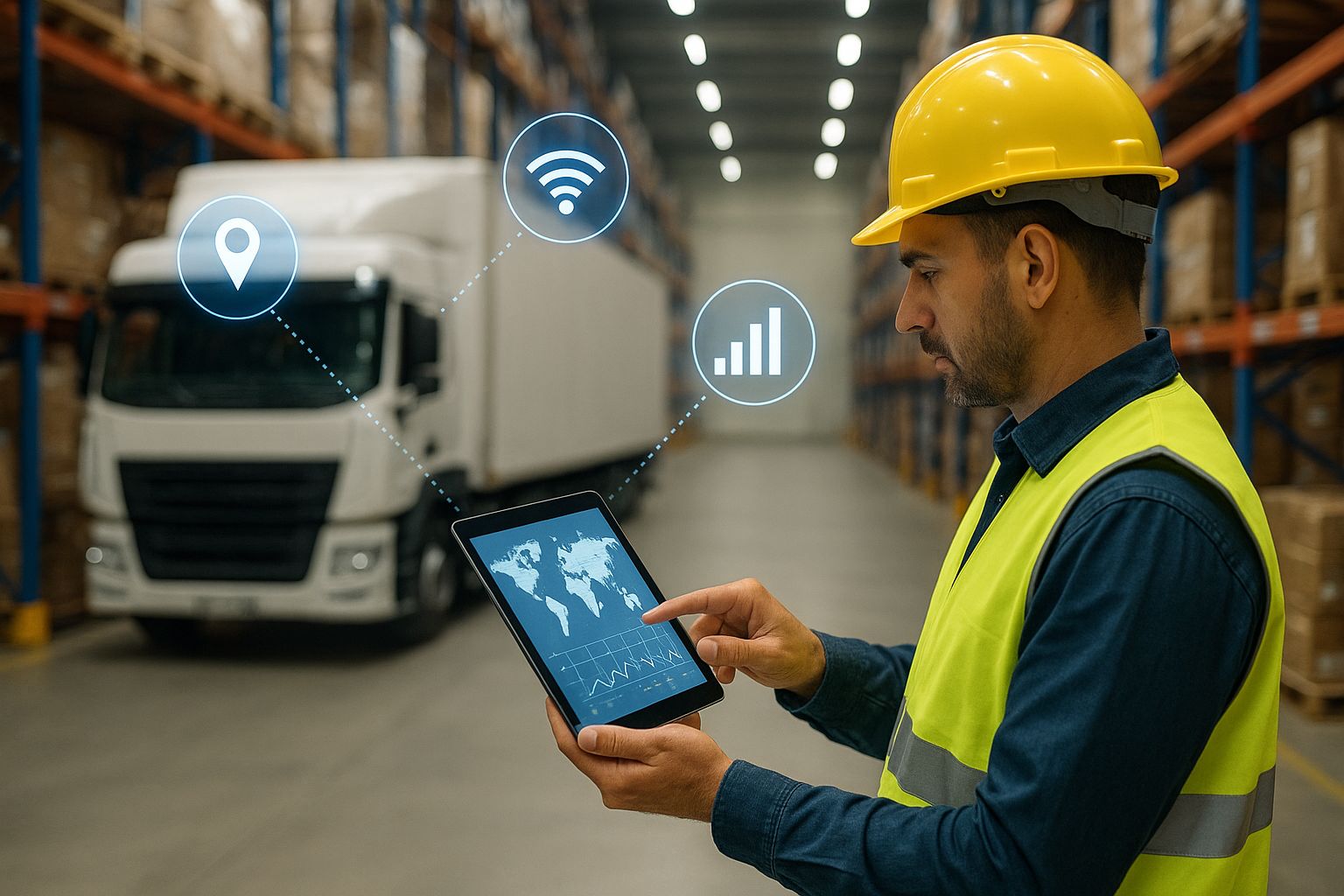
The integration of Internet of Things (IoT) technology into supply chain management has emerged as a transformative trend, driving efficiency and enhancing logistics oversight. Supply chains are increasingly adopting IoT solutions to monitor, predict, and optimize processes from raw material procurement to product delivery.
One prominent trend is the use of IoT devices for real-time tracking and monitoring of shipments. Companies leverage sensors and GPS technology to gain visibility into their inventory and logistics networks. This visibility allows businesses to manage their inventory more proactively, reducing the risk of stock-outs or overstocking. For instance, leading global logistics firms have reported significant reductions in delivery times and cost savings by integrating IoT tracking across their fleets.
Moreover, IoT technology is playing a critical role in maintaining the integrity of perishable goods during transportation. Temperature sensors connected via IoT platforms enable real-time monitoring of environmental conditions in transport vehicles. Companies in the food and pharmaceutical industries heavily rely on these systems to ensure compliance with stringent safety standards.
Predictive maintenance powered by IoT is another burgeoning segment within supply chain management. Embedded sensors in machinery and equipment can gather and transmit data regarding the operational status of equipment in warehouses and manufacturing plants. This data is then analyzed to predict potential breakdowns before they occur, thus significantly minimizing downtime and optimizing operational efficiency.
One of the more recent developments involves IoT’s role in enhancing supplier relationships and operational transparency. By providing data-driven insights into the full supply chain, businesses can make informed decisions and improve collaboration with suppliers, resulting in stronger partnerships and more resilient supply chains.
The integration of IoT into supply chain management, however, does not come without challenges. The massive amount of data generated by IoT devices demands robust data management and cybersecurity measures. Businesses must invest in secure platforms that can protect sensitive data from cyber threats while also complying with stringent data privacy regulations.
As supply chain models continue to evolve, the role of IoT in efficient, responsive, and resilient supply chains is set for exponential growth. Organizations that strategically leverage IoT technologies not only gain a competitive edge but also ensure they are well-equipped to handle future disruptions and market demands.