
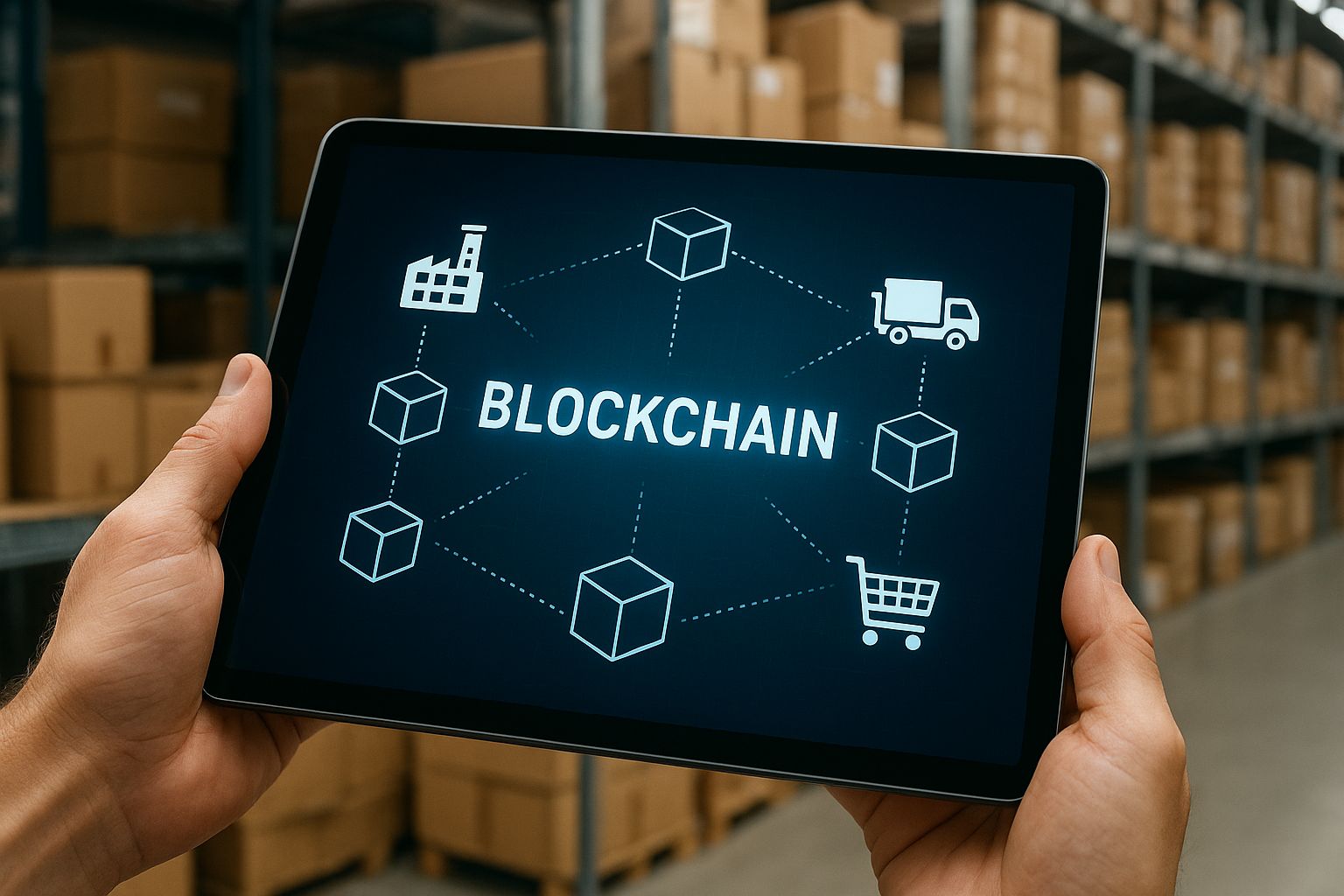
The integration of blockchain technology in supply chain management is redefining how companies operate by providing unparalleled transparency and efficiency. This decentralized ledger system is being harnessed to streamline complex logistics processes, minimize fraud, and foster trust amongst stakeholders.
Supply chain networks, characterized by intricate webs of suppliers, manufacturers, and distributors, demand robust mechanisms to ensure visibility and traceability. Blockchain’s immutable record-keeping provides a solution by allowing each node in the supply chain to have real-time access to a singular, verified version of the truth. By doing so, blockchain reduces discrepancies, enhances trust, and fosters collaboration across the supply chain.
Walmart’s adoption of blockchain to track its food products is a prime example. By utilizing the technology, the retail giant reduced the time it takes to trace produce from farm to store from seven days to a mere 2.2 seconds. This leap in efficiency not only ensures faster response times in the event of a contamination but also verifies the organic nature and origin of produce.
Furthermore, blockchain is increasingly being used to combat counterfeit goods, a persistent issue in sectors like pharmaceuticals and luxury products. By embedding products with blockchain-based tags, companies are able to authenticate goods, verify supply chain integrity, and enhance consumer trust. This capability is gaining traction, especially considering the significant cost implications that counterfeit goods impose on global industries.
As blockchain adoption becomes more widespread, companies are exploring innovative ways to integrate the technology beyond traditional uses. Smart contracts, another offshoot of blockchain, automate transactions based on pre-negotiated terms, thus eliminating the need for intermediaries. This not only reduces operational costs but also diminishes the risk of human error.
Moreover, environmental sustainability is being elevated through blockchain applications. By providing precise tracking of products and their components, companies can identify and rectify inefficiencies, reduce waste, and make informed decisions regarding material sourcing and disposal.
Nonetheless, the integration journey involves overcoming various challenges. Technological barriers, regulatory constraints, and the need for industry-wide cooperation are hurdles that require strategic navigation. Industry leaders are called upon to advocate for standardized protocols and engage in cross-sector collaborations to maximize blockchain’s potential.
In conclusion, blockchain technology holds transformative potential for supply chains by augmenting transparency and efficiency. The evolving applications of this technology promise profound implications for companies willing to embrace the change, paving the way for a future where supply chains are not just efficient, but technologically resilient and adaptive.