
Amidst the ongoing digital transformation, the integration of the Internet of Things (IoT) within supply chain management has emerged as a transformative force. This technological evolution is not only enhancing the granularity of tracking and monitoring but also significantly optimizing operational efficiency.
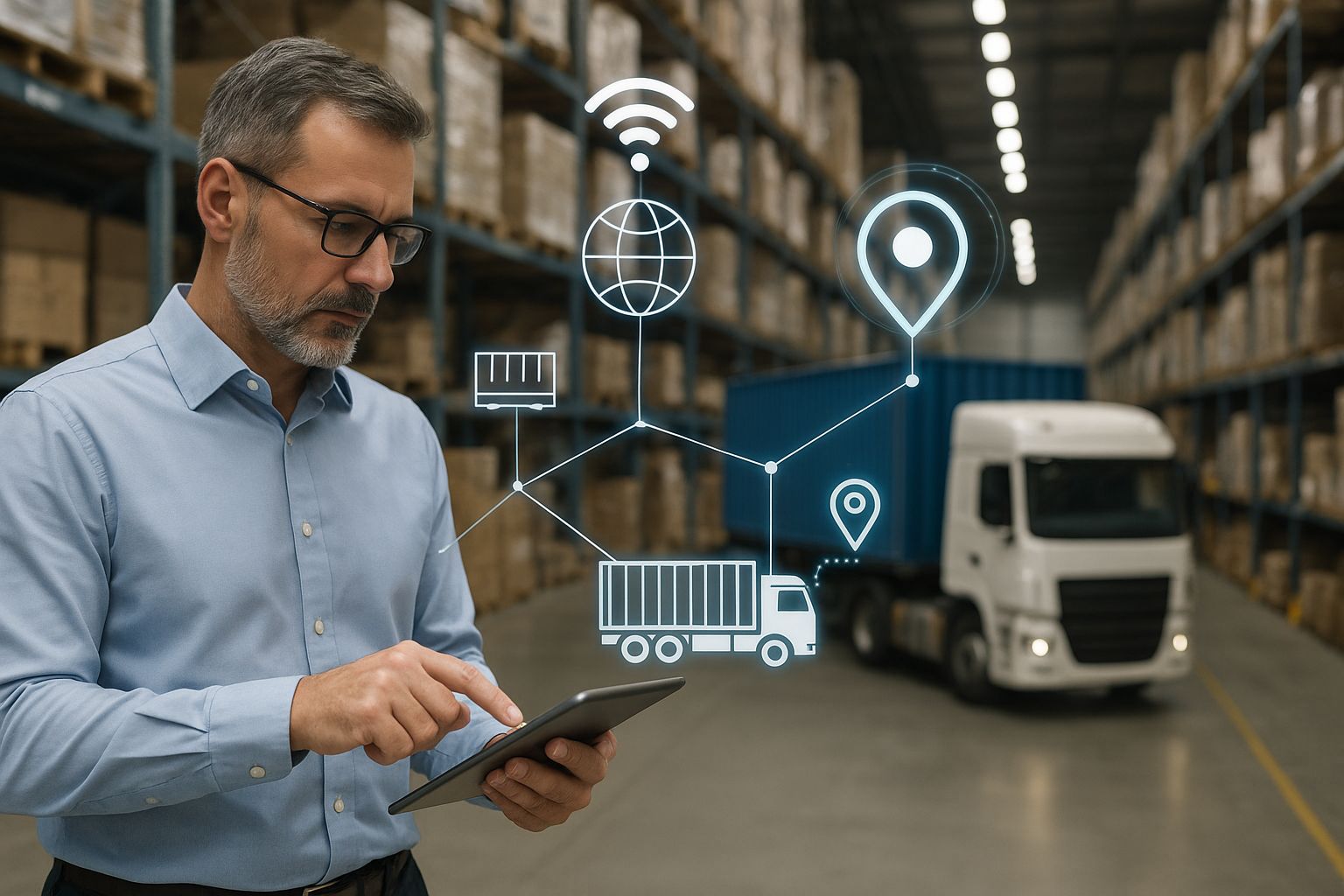
One of the most substantial impacts of IoT in supply chains is real-time tracking and visibility. IoT devices, such as sensors and GPS trackers, are providing unparalleled insights into the movement of goods. This level of transparency ensures that businesses can monitor the conditions of shipments, thereby guaranteeing quality and compliance with regulatory standards. Companies like Maersk and DHL are already implementing IoT solutions to track containers in real-time, significantly reducing instances of theft and loss.
Further, IoT facilitates predictive maintenance, which is a critical aspect of minimizing downtime. By continuously monitoring machinery’s performance through embedded sensors, companies like General Electric have been able to predict and address potential breakdowns before they occur. This proactive approach not only curtails unexpected halts in production but also extends the lifespan of valuable equipment.
The efficiency brought forth by IoT extends into inventory management. Automated systems powered by IoT are capable of maintaining accurate stock levels, reducing overstock and stockouts. Retail giant Walmart utilizes IoT to streamline inventory tracking, thereby enhancing customer satisfaction with better product availability.
Additionally, IoT technology aids in energy management within warehouses and production facilities. Smart meters and sensors can optimize energy use by automatically adjusting lighting and temperature controls based on real-time data. This can lead to significant cost savings and align with corporate sustainability goals.
However, the implementation of IoT also raises concerns about data security and privacy. As supply chains become more interconnected, the risk of cyber-attacks increases. Therefore, companies must prioritize robust cybersecurity measures to protect their data and maintain trust with stakeholders. Collaborations with cybersecurity firms can bolster defenses and ensure the resilience of IoT ecosystems.
In conclusion, the adoption of IoT technologies represents a significant leap forward in supply chain management, offering enhanced operational efficiency, improved customer satisfaction, and greater compliance with regulatory norms. As advancements continue, businesses must balance these benefits with vigilant cybersecurity practices to fully harness the potential of IoT.