

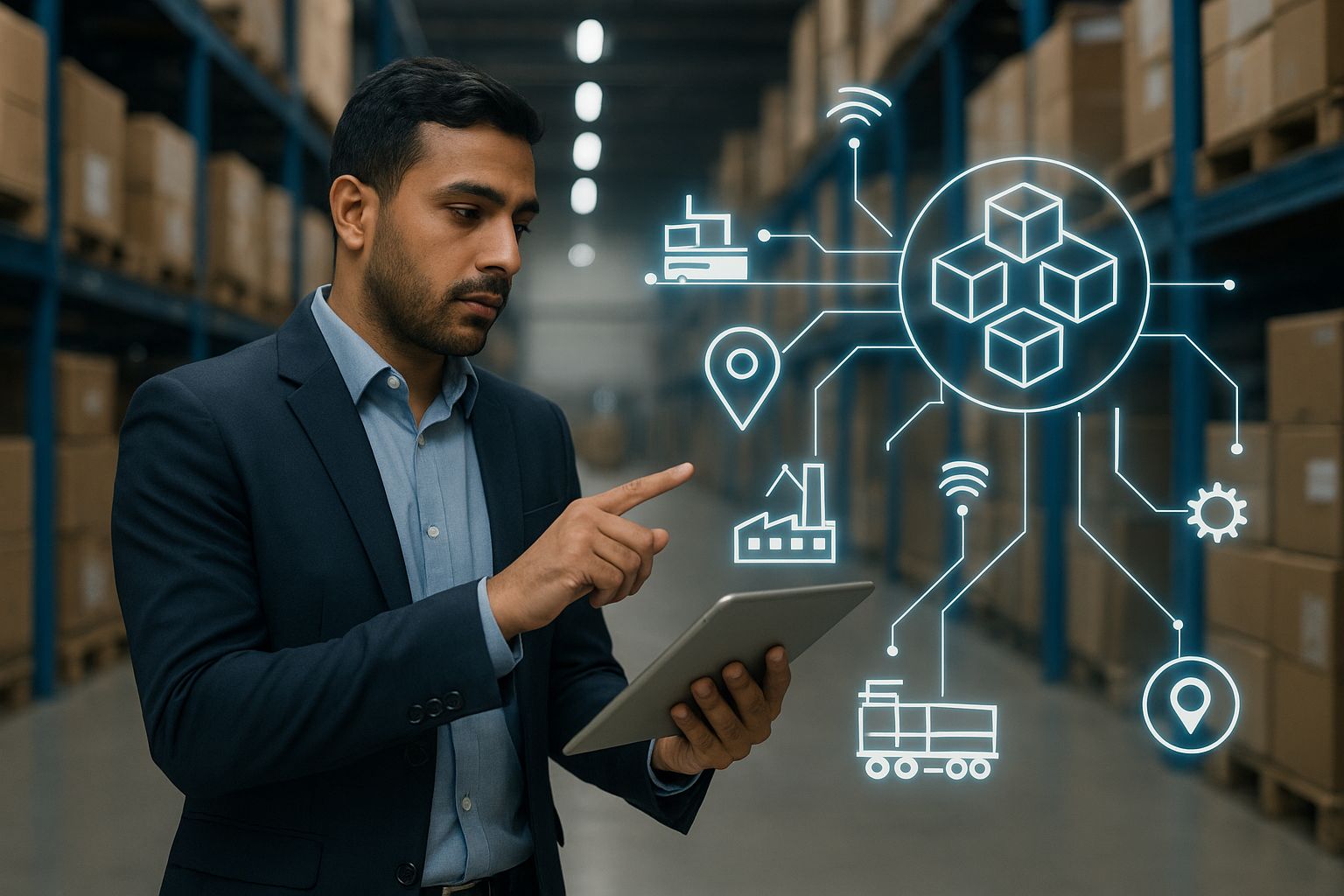
As businesses navigate an ever-evolving landscape, the digitization of the supply chain has emerged as a pivotal trend reshaping the industry. In an era where efficiency and resilience are paramount, supply chain digitization offers the potential to revolutionize processes, reduce costs, and enhance decision-making accuracy.
The traditional supply chain model is increasingly under pressure due to growing demands for transparency, speed, and adaptability. Businesses are capitalizing on digital tools to transform their supply chains into agile and responsive ecosystems. Central to this transformation are technologies such as blockchain, the Internet of Things (IoT), artificial intelligence, and automation.
Blockchain technology is proving instrumental in enhancing traceability and authenticity across supply chains. By offering a decentralized and secure method of record-keeping, blockchain facilitates smoother transactions and increases trust across various nodes. Companies like Everledger have employed blockchain to ensure the provenance of goods, such as diamonds, which has significantly improved transparency and trustworthiness.
Furthermore, IoT devices are being extensively integrated to provide real-time data and insights. These devices enable businesses to monitor logistics, understand environmental conditions impacting goods, and predict maintenance needs proactively. For instance, freight companies using IoT sensors can track their fleets with unprecedented precision, leading to reduced downtime and increased efficiency.
Automation and artificial intelligence are game-changers in streamlining operations. Automated systems reduce manual intervention, decreasing the likelihood of errors and optimizing labor resources. AI-driven analytics provide predictive insights, allowing companies to anticipate demand fluctuations and manage inventories more effectively. A case in point is Amazon’s use of AI-driven robotics to enhance warehouse operations, resulting in faster processing times and cost reductions.
The pivot to digitization is not without challenges. It demands substantial investment and a clear strategy aligned with business goals. However, the potential benefits, such as enhanced accuracy, reduced costs, and improved customer satisfaction, make it a worthy pursuit.
Companies must also address data security concerns associated with digital transformation. Robust cybersecurity measures need to be integrated to protect sensitive data from potential breaches and fraud.
As industries continue to embrace digitization, partnerships with technology providers and strategic investments in digital tools will play a crucial role in maintaining competitive advantage in the global marketplace. The adoption of a digital supply chain is not merely an option; it is becoming essential for companies aiming to thrive in a hypercompetitive environment.