
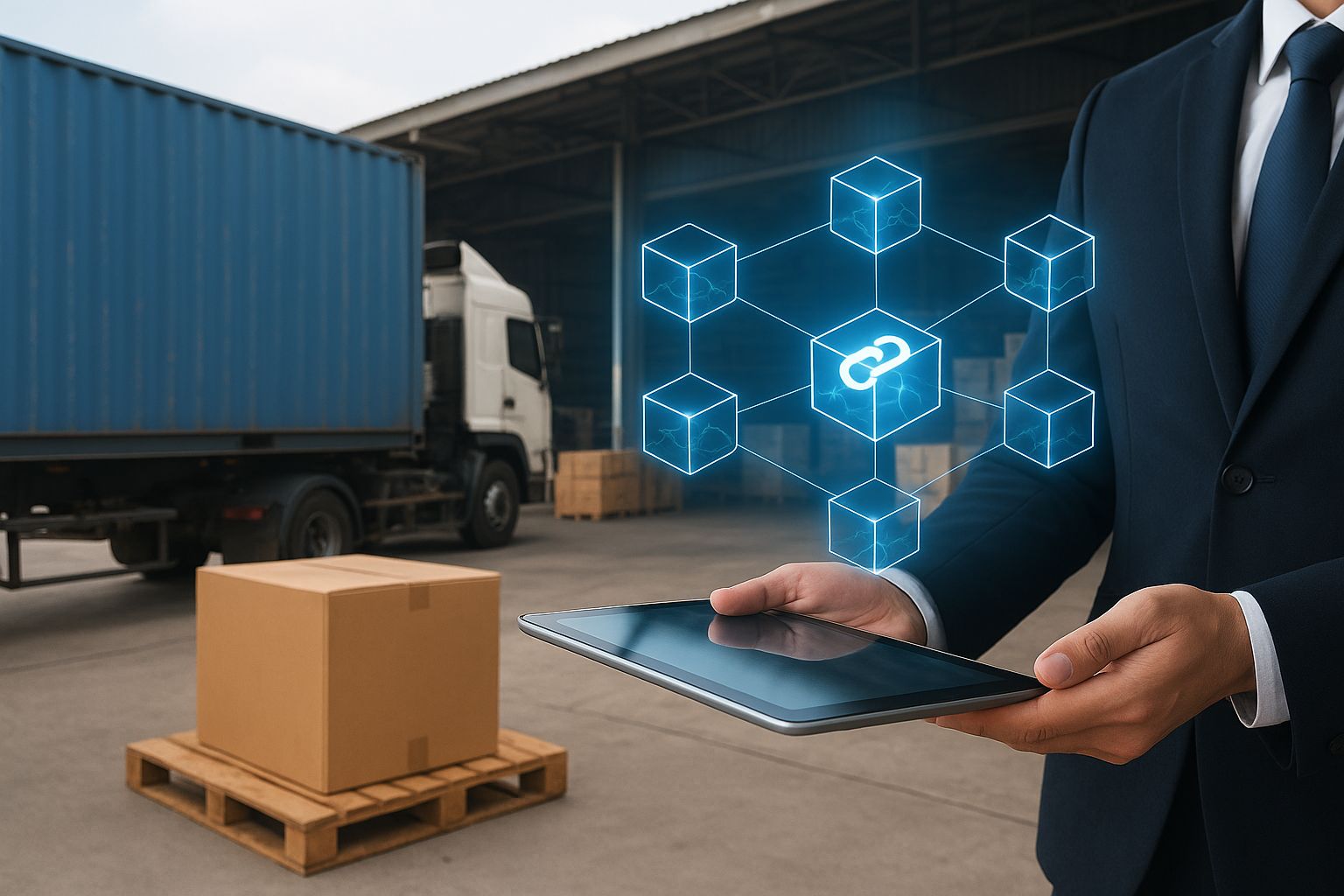
The integration of blockchain technology within supply chains is rapidly becoming a game-changer, redefining transparency and security for businesses around the globe. As global trade networks grow increasingly complex, the demand for robust, tamper-proof systems to track and verify transactions end-to-end has never been more pressing.
Blockchain offers a digital ledger system that enables all parties within a supply chain to view and verify each transaction from origin to destination. This decentralized database ensures that once data is recorded, it cannot be altered, providing an immutable history of product journeys. This transparency is crucial in verifying the authenticity of goods, reducing fraud, and building trust among partners and consumers.
One of the most compelling aspects of blockchain is its ability to enhance traceability in industries fraught with counterfeiting risks, such as pharmaceuticals, luxury goods, and electronics. For instance, IBM and Maersk have collaborated on TradeLens, a blockchain solution that improves visibility and predictability by digitizing supply chain documents and processes.
Beyond transparency, blockchain significantly elevates security in supply chains. By creating a secure, distributed ledger, the risk of data breaches is minimized since sensitive information is not stored on a centralized server. Blockchain’s cryptographic framework ensures data integrity, allowing supply chain managers to confidently share information without fear of manipulation or unauthorized access.
A notable example is Walmart’s implementation of a blockchain-based tracking system for lettuce and leafy greens. In collaboration with IBM’s Food Trust platform, Walmart aims to reduce the time required to trace produce from several days to a matter of seconds, thus enhancing food safety and quality assurance.
However, despite its transformative potential, the adoption of blockchain in supply chains is not without challenges. Implementing such systems requires significant upfront investment and a foundational shift in how data is managed and shared. Moreover, widespread industry collaboration is essential to developing standardized practices for blockchain applications that meet diverse regulatory standards.
Companies venturing into blockchain technology must prepare for these hurdles with deliberate planning and collaboration with technology providers. Organizations like the Blockchain in Transport Alliance are playing a pivotal role in fostering industry standards, promoting education, and facilitating the integration of blockchain into supply chains on a global scale.
As blockchain gains traction, businesses that effectively leverage this technology can anticipate enhanced security, greater efficiency, and a strengthened competitive edge in an ever-evolving market.