
As global supply chains become increasingly complex, the role of integration technology in streamlining operations cannot be overstated. It is no longer about merely linking systems; the focus has shifted to creating intelligent, responsive, and interconnected networks that can adapt to ever-changing conditions.
In recent years, integration technology has evolved from simple data transfer tools to sophisticated platforms driven by cutting-edge advancements like the Internet of Things (IoT), Artificial Intelligence (AI), and blockchain. These technologies are not only enhancing data visibility but also empowering companies with actionable insights in real time.
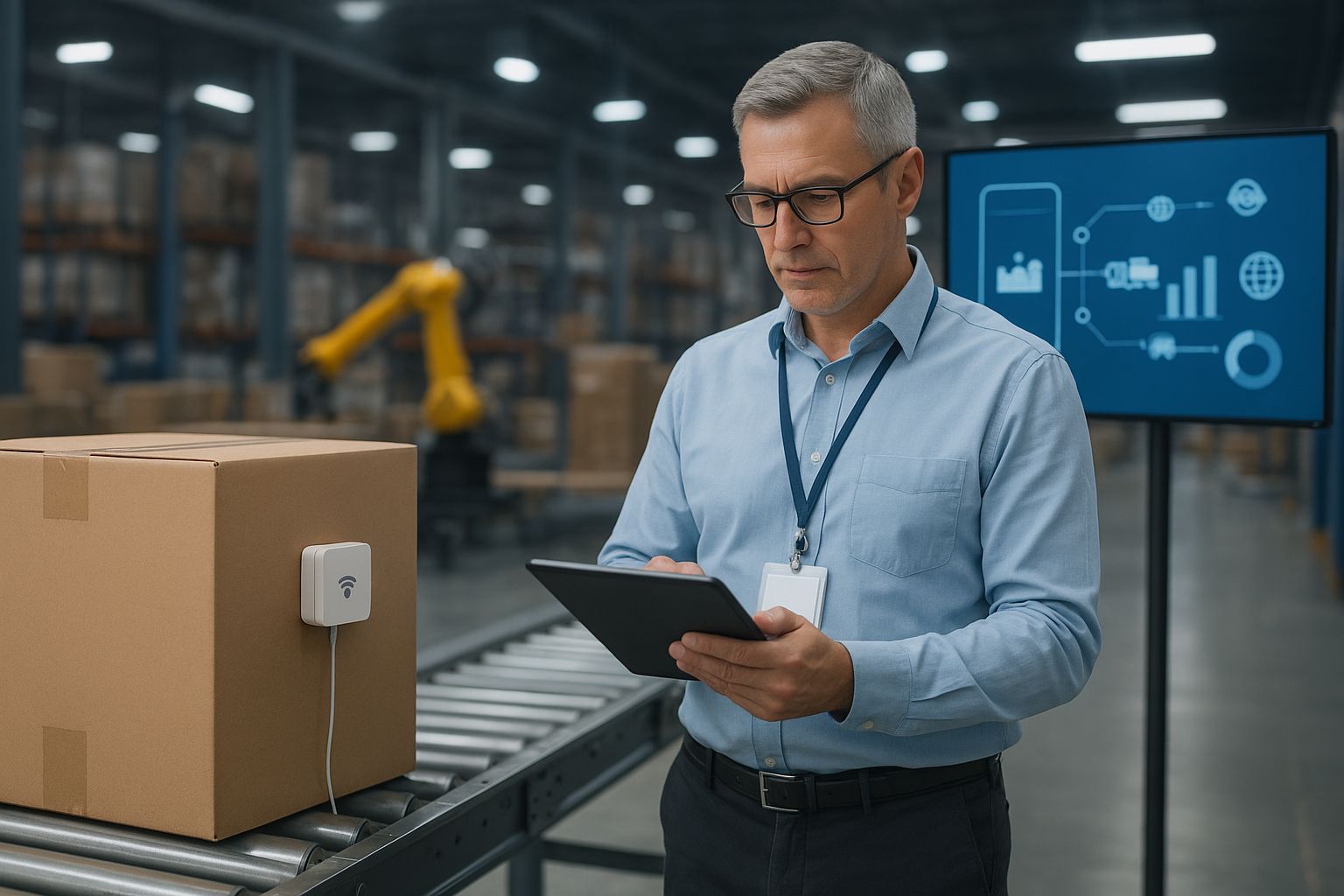
One of the critical trends in supply chain integration is the adoption of IoT devices. These devices are embedded with sensors that collect granular data on various metrics such as temperature, location, and operational status, offering unprecedented visibility across the supply chain. Companies leveraging IoT solutions can optimize operations by monitoring equipment health, managing inventory more efficiently, and reducing waste by predicting potential disruptions before they occur.
Artificial Intelligence is another transformative technology in this space. AI-driven integration platforms enable predictive analytics, which assists companies in forecasting demand with greater accuracy. It also optimizes logistics by suggesting more efficient routes and reducing fuel consumption. For example, a major retail giant implemented an AI-based integration system that reduced delivery times by 20%, directly improving customer satisfaction and operational efficiency.
Blockchain technology plays a crucial role in dealing with data security and transparency challenges in supply chain integration. By providing an immutable and transparent record of transactions, blockchain ensures verifiable authenticity from the raw material sourcing to the point of sale. This level of transparency is invaluable in industries such as pharmaceuticals and food, where provenance is critical.
Integration technology also facilitates smoother collaboration between different stakeholders across the supply chain. By breaking down silos, companies can foster improved communication and coordination among suppliers, manufacturers, and retailers, reducing lead times and enhancing service delivery.
As businesses look forward to the future, the adoption of these integration technologies is no longer optional but necessary. It is vital for companies to invest in robust integration platforms that can not only connect their existing systems but also incorporate new technologies as they emerge. The return on investment is significant—improving operational efficiency, fostering innovation, and offering a competitive edge in a rapidly evolving market.
Ultimately, the companies that will thrive are those that recognize the importance of integration as a strategic enabler of digital transformation in the supply chain sector.