

The supply chain industry is witnessing a transformative shift with the advent of autonomous delivery robots. These technological marvels are redefining logistics by enhancing efficiency, reducing costs, and advancing operational effectiveness.
Recent trends indicate that logistics companies are increasingly investing in autonomous robots to streamline delivery and warehouse operations. These robots are equipped with sophisticated sensors and navigation systems, allowing them to perform tasks such as sorting, transporting, and delivering goods with precision and speed.
Significantly, the implementation of autonomous delivery robots has garnered attention from major retailers like Amazon and Walmart. These giants are piloting robotic delivery systems to fulfill last-mile delivery—a notoriously challenging and costly segment of the supply chain. Through automation, these companies aim to meet customer demands for faster and more cost-effective delivery services.
Moreover, operational resilience becomes vital for businesses striving to maintain competitiveness in the market. Autonomous robots contribute significantly to this resilience by ensuring continuity in supply chain operations, even in adverse conditions such as pandemics or labor shortages. Their capacity to operate 24/7, without breaks or delays, ensures steady and reliable service.
However, integrating these advanced technologies into supply chains isn't without challenges. Companies must address technological infrastructure requirements, cybersecurity concerns, and the potential impact on the workforce. Skill development and training programs are critical to equipping employees with the capabilities to manage and maintain these robotic systems.
As the industry moves forward, the partnership between human operators and robots will likely define the future of supply chain management. Lessons learned from early adopters of autonomous delivery robots will shape policies and best practices, driving wider acceptance and implementation across various sectors.
In conclusion, autonomous delivery robots are not just a technological trend but a strategic necessity for businesses looking to modernize their supply chains. Embracing this technology promises not only to enhance operational efficiency but also to redefine the future of logistics and customer service in the supply chain industry.
Estimated reading time: 1 minute, 40 seconds
The Rise of Autonomous Delivery Robots: A Technological Leap in Supply Chain Management Featured
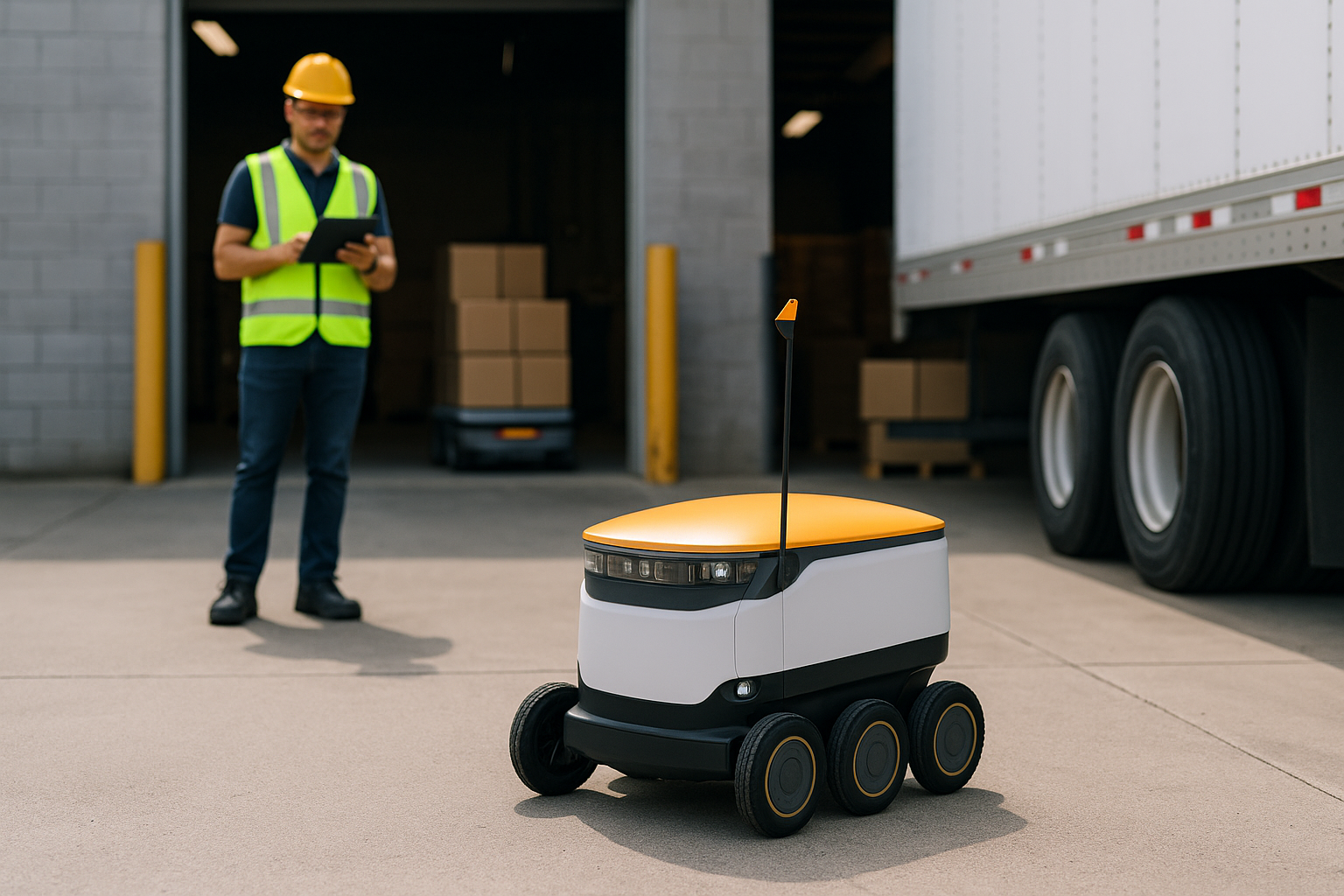 Explore the surge of autonomous delivery robots transforming supply chain management with enhanced efficiency and cost reduction.
Latest from SupplyChain Tech News
Most Read
-

-
Feb 17 2012
-
Written by Scott Koegler
 ec-bp.com eCommerce Best Practices for the Supply Chainec-bp was established…
-
-

-
Jul 18 2017
-
Written by Super User
Add us to your Safe Sender list: We want to…
-
-
-
Feb 13 2019
-
Written by Scott Koegler
Every organization that wants to organize and manage their supply…
-
-
-
Feb 13 2013
-
Written by Scott Koegler
EDI Software and Services Providers / EDI Directory This table…
-