

The landscape of supply chain management is undergoing a transformative shift, driven by the increasing integration of robotics within warehouse operations. As businesses strive to enhance efficiency and reduce costs, warehouse robotics has emerged as a pivotal element in supply chain technology, revolutionizing conventional logistics processes.
In recent years, major players in the logistics industry have embarked on ambitious robotic implementations, signaling the industry's concerted shift towards automation. Companies such as Amazon and Walmart have heavily invested in robotics to optimize their extensive warehousing networks. This strategic move underscores the capability of robots to perform complex tasks with unprecedented speed and precision, enabling faster order fulfillment and reduced error rates.
Robotics in warehouses are not limited to the likes of multinationals. Mid-sized and smaller enterprises are also embracing this technology, realizing its cost benefits and operational advantages. The adoption of Autonomous Mobile Robots (AMRs) and Automated Guided Vehicles (AGVs) is becoming increasingly prevalent, streamlining material handling and inventory management.
One of the most significant benefits of robotic automation in warehouses is the enhancement of scalability. During peak seasons, such as the holiday rush, warehouses equipped with robotics can easily scale with demand without the need for temporary labor expansions. This kind of flexibility allows businesses to maintain consistent service levels, meeting customer expectations while managing costs effectively.
Moreover, the data collection capabilities of modern warehouse robots are empowering decision-makers with insights that can be harnessed for continuous improvement. Real-time analytics generated by robotic systems drive better inventory forecasting, reduce waste, and optimize storage layouts. By leveraging this data, companies are making informed decisions to streamline their operations further.
However, the path to robotic automation is not without its challenges. Implementing robotics requires significant capital investment and comes with a learning curve for existing staff. Yet, as the technology becomes more accessible and cost-effective, the return on investment is clear. Businesses that have successfully embraced robotics in their warehouses report improved efficiency, heightened competitiveness, and enhanced team productivity.
As the supply chain sector advances, it is evident that robotics will play an integral role in its evolution. The trajectory is clear: warehouses are becoming smarter, more adaptable, and increasingly geared towards automation. These advancements are not only poised to redefine warehouse management but also set the stage for a more resilient supply chain network on a global scale.
Estimated reading time: 2 minutes, 2 seconds
Transforming Supply Chains: The Rise of Robotics in Warehouse Management Featured
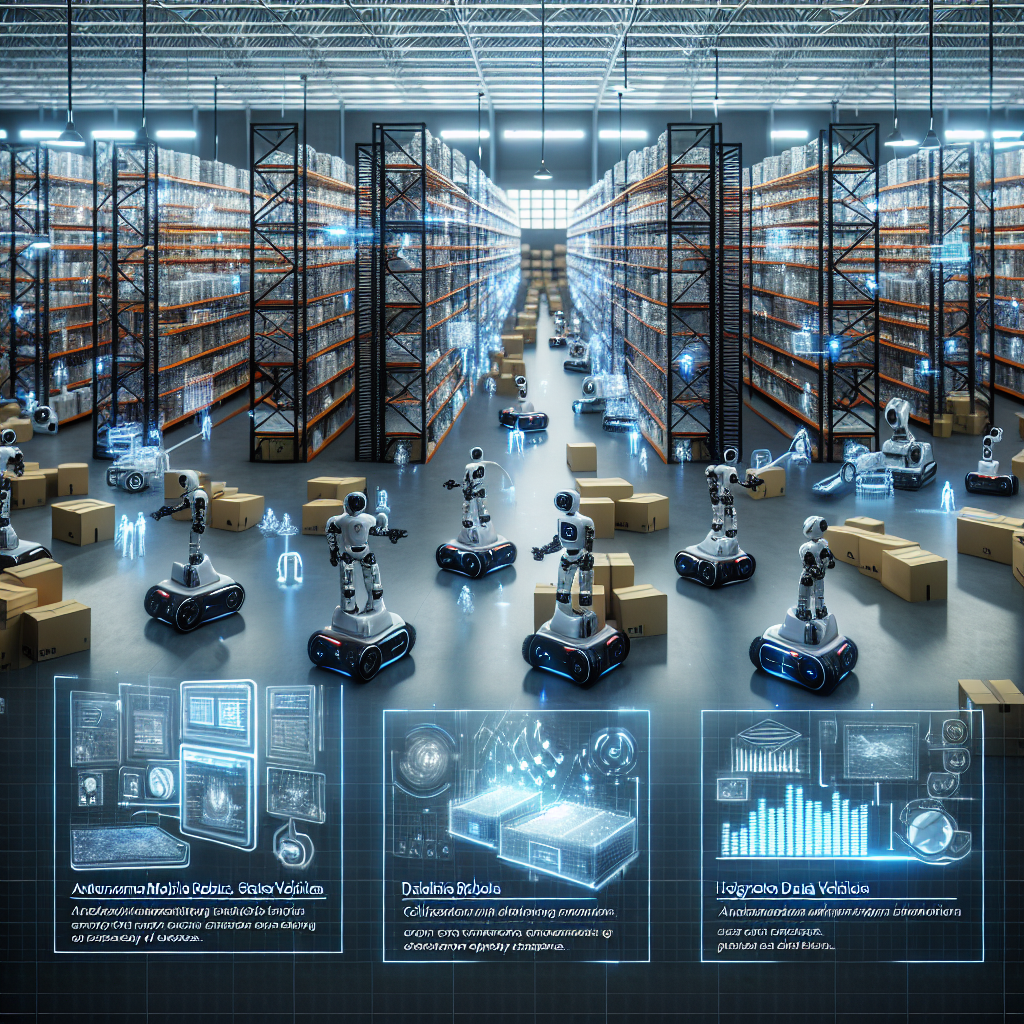 Explore the rise of robotics in warehouse management and how it is revolutionizing supply chain technology with enhanced efficiency and cost-effectiveness.
Latest from SupplyChain Tech News
- The Rise of Autonomous Drones in Supply Chain Technology
- The Impact of AI on Supply Chain Management: Shaping the Future
- Blockchain's Growing Impact on Supply Chain Technology
- Harnessing AI in Supply Chain Technology for Competitive Advantage
- The Digital Transformation of Supply Chains: A New Era of Efficiency
Most Read
-

-
Feb 17 2012
-
Written by Scott Koegler
 ec-bp.com eCommerce Best Practices for the Supply Chainec-bp was established…
-
-

-
Jul 18 2017
-
Written by Super User
Add us to your Safe Sender list: We want to…
-
-
-
Feb 13 2019
-
Written by Scott Koegler
Every organization that wants to organize and manage their supply…
-
-
-
Feb 13 2013
-
Written by Scott Koegler
EDI Software and Services Providers / EDI Directory This table…
-