

In today's rapidly evolving business landscape, sustainable supply chain management has emerged as a pivotal trend, reshaping industries globally. The growing demand for environmentally responsible practices, fueled by both consumer awareness and regulatory standards, is compelling businesses to rethink their supply chain strategies.
Sustainability in supply chain management involves the integration of environmental and social considerations into the entire lifecycle of goods and services. From sourcing raw materials to the final delivery, organizations are increasingly prioritizing initiatives that minimize carbon footprints, reduce waste, and promote ethical labor practices. This holistic approach not only benefits the environment but also enhances brand reputation and competitiveness in a crowded market.
A noteworthy example of successful sustainable supply chain management is seen in the operations of global retailer IKEA. By transitioning to 100% renewable energy sources and prioritizing sustainably sourced materials, IKEA has significantly reduced its environmental impact while simultaneously achieving cost savings. Such practices demonstrate the potential for harmony between ecological stewardship and profitability.
Recent trends also highlight the rise of digital technologies as enablers of sustainable supply chain management. Innovations such as blockchain, artificial intelligence, and IoT are being leveraged to enhance traceability, optimize logistics, and facilitate data-driven decision-making. These tools empower businesses to proactively manage supply chain risks, improve transparency, and ensure compliance with sustainability standards.
The shift towards sustainability is further accentuated by regulatory developments across the globe. Governments are implementing stricter guidelines and incentives to encourage environmentally friendly practices. Companies that fail to adapt to these regulations risk facing penalties, reputational damage, and loss of market share.
In conclusion, sustainable supply chain management is not a mere trend; it is becoming a fundamental business strategy. Companies investing in sustainable practices are reaping benefits that transcend environmental impact, including enhanced customer loyalty and long-term profitability. As we move forward, the integration of sustainability into supply chain management will undoubtedly shape the future of industries worldwide.
Estimated reading time: 1 minute, 41 seconds
The Rise of Sustainable Supply Chain Management: A Key Trend in 2023 Featured
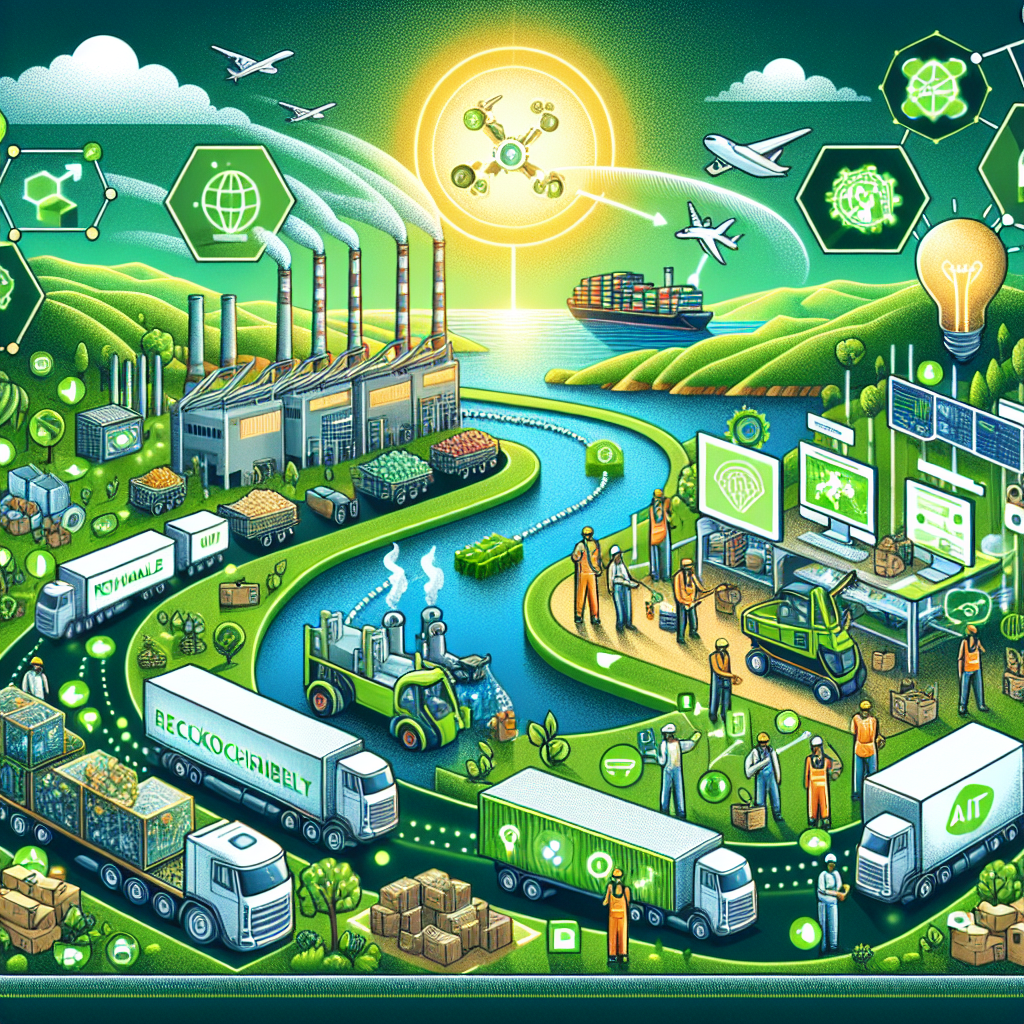 Explore the rise of sustainable supply chain management, a trend reshaping industries by integrating environmental considerations, digital technologies, and regulatory standards for competitive advantage.
Latest from SupplyChain Tech News
- Navigating Technological Advancements in Supply Chain Management
- Innovations in Supply Chain Management: Real-Time Tracking & Transparency
- Revolutionizing Transportation Management through AI: A Game Changer in Logistics
- Revolutionizing Supply Chain with AI: A Real Time Insight
- Navigating Supply Chain Challenges amidst Global Disruptions
Most Read
-

-
Feb 17 2012
-
Written by Scott Koegler
 ec-bp.com eCommerce Best Practices for the Supply Chainec-bp was established…
-
-

-
Jul 18 2017
-
Written by Super User
Add us to your Safe Sender list: We want to…
-
-
-
Feb 13 2019
-
Written by Scott Koegler
Every organization that wants to organize and manage their supply…
-
-
-
Feb 13 2013
-
Written by Scott Koegler
EDI Software and Services Providers / EDI Directory This table…
-