

Artificial Intelligence (AI) is transforming supply chain management significantly, creating unprecedented levels of efficiency and innovation for businesses globally. As organizations are driven to reduce costs and improve service levels, AI is emerging as a critical enabler.
One of the most impactful applications of AI in supply chain management is predictive analytics. By analyzing vast amounts of data, AI algorithms can forecast demand with remarkable accuracy. This has enabled companies to optimize inventory levels, minimize holding costs, and improve customer satisfaction.
Inventory optimization is a classic example of AI’s role in efficiency. Take the retail giant Walmart, for instance, which implemented AI-driven forecasting systems to better manage their inventory. The technology has led to a reduction in stockouts and overstock situations, improving the bottom line significantly.
Robotic Process Automation (RPA) is another aspect where AI is making waves. RPA automates repetitive tasks, such as order processing and invoicing, allowing human workers to focus on more strategic activities. This not only speeds up processes but also reduces the likelihood of errors, making supply chains more robust.
Beyond individual efficiencies, AI drives end-to-end supply chain visibility. With AI solutions, businesses gain real-time insights into the entire supply chain, from manufacturing to delivery. Knowing where inventory is at any given moment and predicting delays enables proactive decision-making and enhances the agility of the supply network.
AI plays a vital role in risk management as well. By monitoring market variables and external factors, AI can predict potential disruptions in the supply chain, allowing mitigation strategies to be put in place before issues escalate. For instance, during the COVID-19 pandemic, companies leveraging AI were better able to navigate the complexities of supply and demand fluctuations, maintaining service continuity where others struggled.
The adoption of AI in supply chain management is not without its challenges, however. Concerns around data privacy and security are prevalent, and companies need to ensure robust measures are in place to protect sensitive information. Additionally, the initial investment in AI technology can be substantial, requiring a carefully considered business case and clear ROI metrics.
As AI technology continues to evolve, its role in supply chain management will only grow in importance. Companies that embrace these tools and technologies now will find themselves better positioned to thrive in the competitive landscape, leveraging AI to maximize efficiencies and drive strategic growth.
Estimated reading time: 2 minutes, 2 seconds
Embracing AI in Supply Chain Management: A New Era of Efficiency Featured
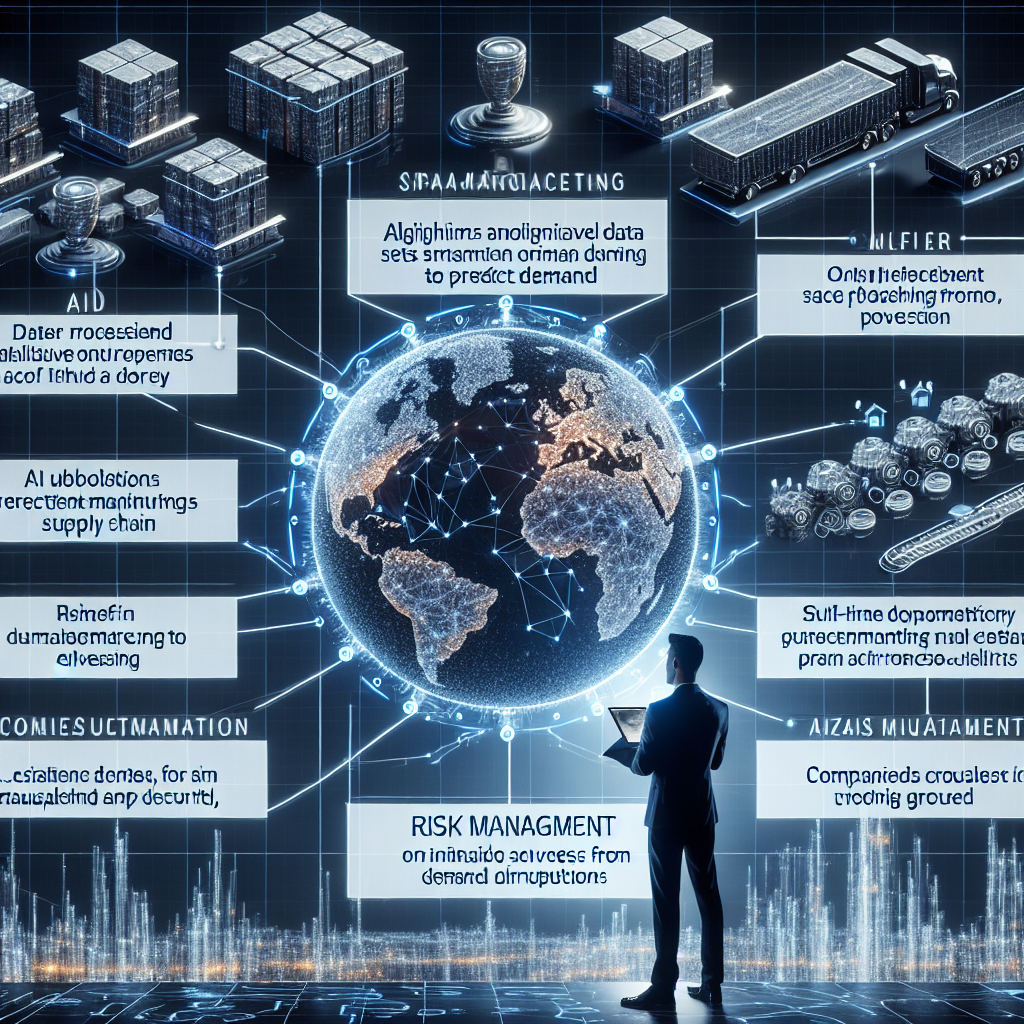 Explore how AI is revolutionizing supply chain management, offering predictive analytics, robotic process automation, and risk management to enhance efficiency.
Latest from SupplyChain Tech News
Most Read
-

-
Feb 17 2012
-
Written by Scott Koegler
 ec-bp.com eCommerce Best Practices for the Supply Chainec-bp was established…
-
-

-
Jul 18 2017
-
Written by Super User
Add us to your Safe Sender list: We want to…
-
-
-
Feb 13 2019
-
Written by Scott Koegler
Every organization that wants to organize and manage their supply…
-
-
-
Feb 13 2013
-
Written by Scott Koegler
EDI Software and Services Providers / EDI Directory This table…
-