

The ever-evolving digital landscape has transformed how companies manage their supply chains. Adapting to these changes involves strategic implementation of technology in operations, enhancing efficiency, visibility, and adaptability.
Digital transformation in supply chain management is driven by the need to meet rising customer expectations for both speed and transparency. According to industry experts, companies shifting towards a digital-first approach are seeing significant boosts in speed and efficiency. This trend underscores the importance of integrating digital strategies in supply chain management.
One of the most critical aspects of this transformation is enhancing visibility across the supply chain. Real-time data allows companies to monitor operations at every touchpoint, enabling proactive decision-making. For instance, integrated IoT devices provide constant data flow, reducing delays and increasing the accuracy of inventory management.
A recent case from my work with a leading logistics firm demonstrated the power of digital transformation. The firm integrated advanced AI analytics and robotic process automation to streamline warehouse operations, improving their order accuracy by 20% and reducing processing time by nearly 35%. Such examples highlight the potential benefits of embracing digital technologies.
Efficiency improvements also stem from digital platforms that enhance demand forecasting. Advanced analytics help predict future demand trends, allowing companies to optimize inventory levels. An efficient supply chain can reduce waste and costs, a benefit sought by businesses worldwide.
As supply chain disruptions become more common due to global events, flexibility has become a key determinant of success. Automation and AI tools help create more resilient supply chains capable of quickly adapting to changes, maintaining continuous operations even under stress.
However, transformation isn't without its challenges. Companies must grapple with data security issues, the cost of technology adoption, and employee training. Implementing a staged approach to digital transformation can mitigate such challenges, enabling gradual integration.
Estimated reading time: 1 minute, 34 seconds
Adapting to Digital Demand: Strategies for Supply Chain Management Featured
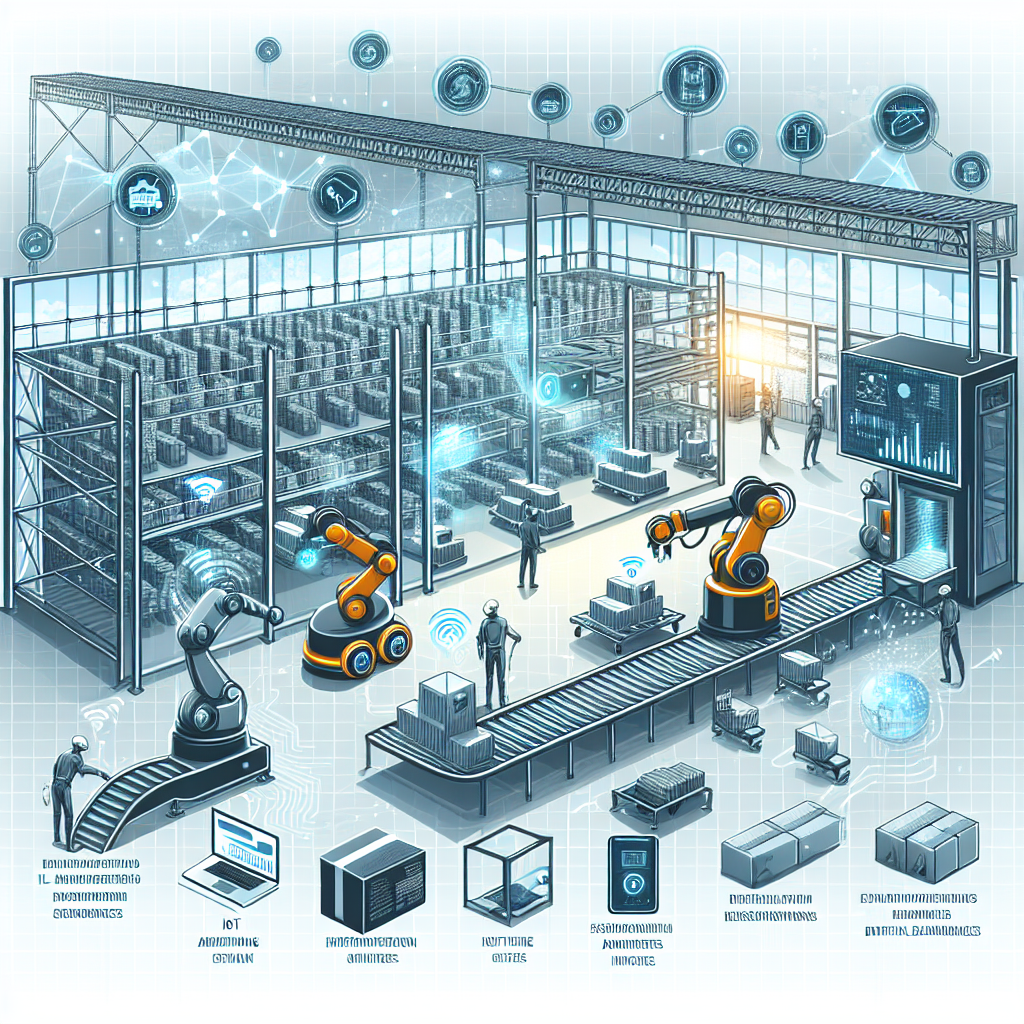 Digital transformation in supply chain management enhances efficiency, visibility, and adaptability. Discover strategies to leverage technology for a modern supply chain.
Latest from SupplyChain Tech News
Most Read
-

-
Feb 17 2012
-
Written by Scott Koegler
 ec-bp.com eCommerce Best Practices for the Supply Chainec-bp was established…
-
-

-
Jul 18 2017
-
Written by Super User
Add us to your Safe Sender list: We want to…
-
-
-
Feb 13 2019
-
Written by Scott Koegler
Every organization that wants to organize and manage their supply…
-
-
-
Feb 13 2013
-
Written by Scott Koegler
EDI Software and Services Providers / EDI Directory This table…
-