In today's rapidly evolving supply chain landscape, blockchain technology is emerging as a game-changer, providing unparalleled transparency and security. As businesses aim to build trust and efficiency, blockchain's decentralized nature offers an innovative approach to handling complex supply chains.
Blockchain, once synonymous with cryptocurrency, now permeates various industries, including logistics and transportation. Its application in supply chain management enhances transparency, reduces fraud, and ensures data integrity. As goods move through an intricate web, blockchain provides a single source of truth, allowing stakeholders to access real-time information about a product's journey.
The recent adoption of blockchain by a major retailer in the United States illustrates its transformative power. By integrating blockchain into their supply chain, this retailer was able to track perishable goods from farm to store shelf, ensuring freshness and ethical sourcing. This move not only streamlined operations but also bolstered consumer confidence in product origins.
Despite its promise, blockchain adoption in supply chains isn't without challenges. Concerns around scalability, integration, and cost are prevalent. However, as technology advances, solutions are emerging to address these hurdles, making blockchain more accessible to businesses of all sizes.
To capitalize on blockchain's potential, companies must invest in educating their workforce. Encouraging collaboration between IT departments and supply chain managers is crucial. Leveraging insights from blockchain pilots can guide strategic decision-making, paving the way for full-scale implementation.
The strategic integration of blockchain in supply chains can profoundly impact traditional models, driving industries towards more sustainable and transparent practices. Companies that embrace this innovative technology now will likely set industry standards in the years to come.
Embracing Blockchain to Revolutionize Supply Chain Transparency Featured
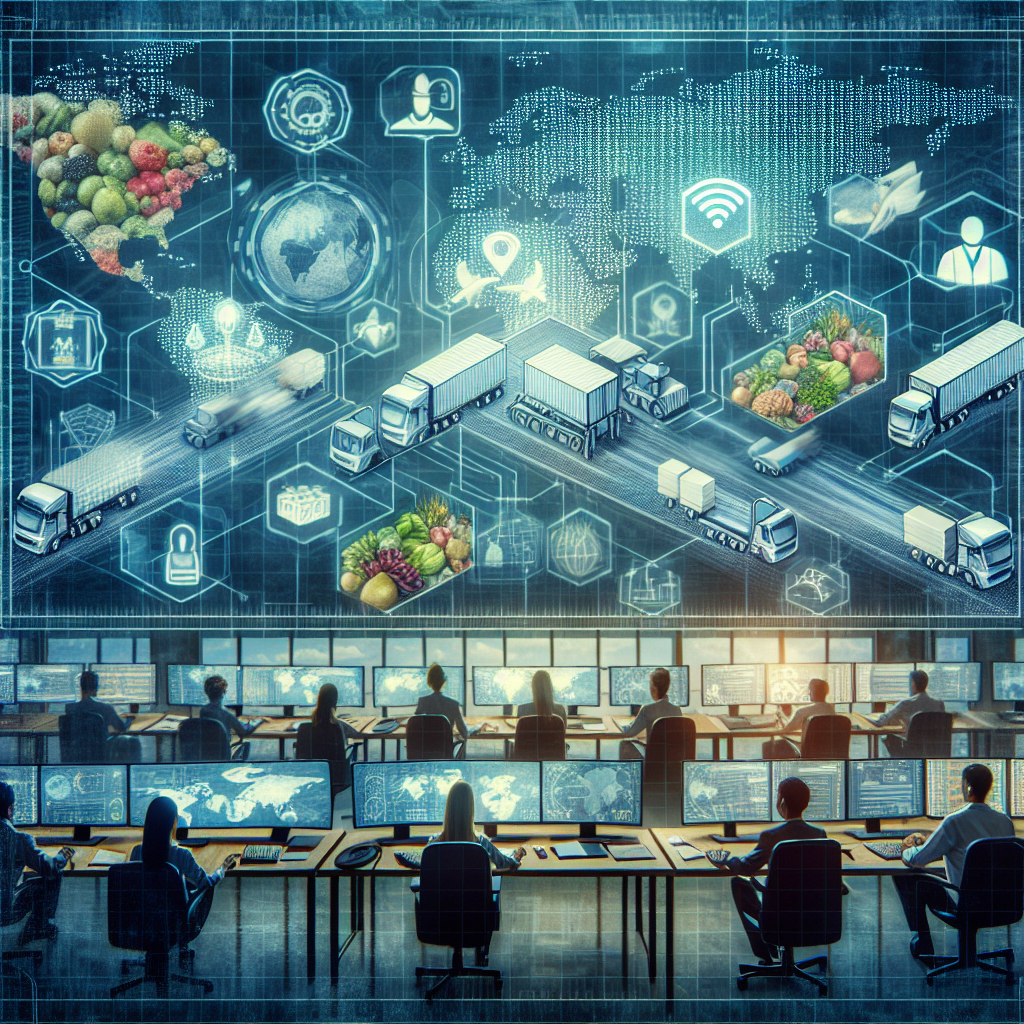 Explore how blockchain is revolutionizing supply chain transparency and efficiency, providing businesses with real-time data and enhancing consumer trust.

Latest from SupplyChain Tech News
- Navigating Technological Advancements in Supply Chain Management
- Innovations in Supply Chain Management: Real-Time Tracking & Transparency
- Revolutionizing Transportation Management through AI: A Game Changer in Logistics
- Revolutionizing Supply Chain with AI: A Real Time Insight
- Navigating Supply Chain Challenges amidst Global Disruptions